Saturday, February 21, 2015

Salicylates Intolerance

Salicylates are chemicals that occur naturally in many plants, including many fruits vegetables, and herbs. Salicylates in plants act as a natural immune hormone and preservative, protecting the plants against diseases, insects, fungi, and harmful bacteria. Salicylates are also created synthetically and can be found in many medicines, perfumes and preservatives.

What is Salicylate Sensitivity/Salicylate Intolerance?
In high enough doses salicylates are harmful to everyone. However, most people can handle average amounts of salicylate in food, products and medications without any adverse affects on their health. But, there is a small percent of the population for which even a small dose of salicylates can be a problem. Some adults and children may develop symptoms and health problems from salicylates which are dose-related. This is called ‘Salicylate Sensitivity’ or ‘Salicylate Intolerance’ and is different than an allergy. People with salicylate intolerance are unable to handle more than a certain amount of salicylates at a time. The tolerated amount and items vary slightly from person to person. Salicylates also have a cumulative effect in the body and build up over time, this means that a salicylate sensitive person may be able to tolerate a small amount of salicylates but will experience symptoms after excessive exposure.

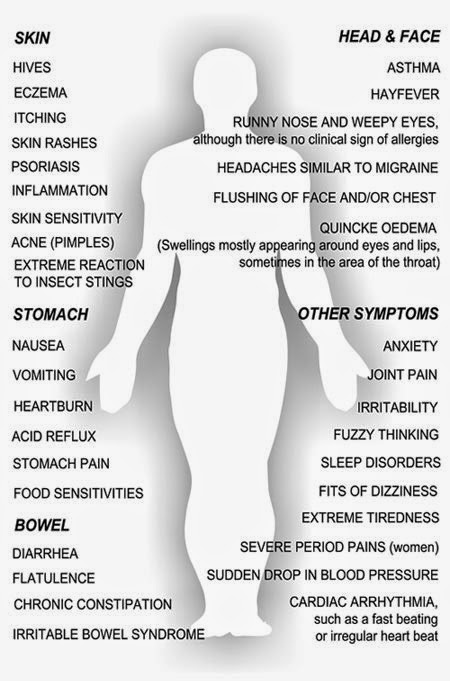
What are the symptoms of Salicylate Sensitivity / Salicylate Intolerance?
This list of symptoms was compiled from a combination of resources dealing with salicylate sensitivity. The numbers on the right side of the symptoms identify how many resources sited that symptom as a symptom of salicylate intolerance. This list is not meant as a tool for diagnosis, but to give people an idea of the wide range of symptoms that have been associated with this issue. Symptoms could also be results of other serious problems, so do not assume that just because you have some of the symptoms listed on this site that you are salicylate intolerant or that salicylates are the cause of your symptoms. It is always wise to consult a doctor/professional and not self diagnose.

What is the difference between intolerance and allergy?

Food Intolerance:
  • Is a pharmacological reaction to the chemicals in foods (it is like the side effects of a drug).
  • Is most common in children, because they consume a higher dose per weight of food chemicals than adults. But, food intolerance is also very common in women of child-bearing age, because of hormonal influences. Senior citizens can be vulnerable as well, because aging of livers and kidneys have a harder time excreting chemicals from the body. People who have been exposed pharmaceutical drugs, toxic chemicals or illness are also more likely to develop food intolerance.
  • Is more common (some experts say 10% of people are affected) and affects babies, children and adults.
  • It can take up to 48 hours or more for a food intolerance reaction to occur. When a person is in regular contact with a problem food/chemical they symptoms can appear to be a chronic condition rather than a reaction to food.
  • Food intolerance reactions are dose-related. Some people are more sensitive than others and will react to smaller doses while others are less sensitive and will only react to larger doses of the problem food/chemical.
  • Currently there is no method of testing that can accurately determine food intolerance. Elimination diets are the best way to figure out if someone is food intolerant.

In contrast a Food Allergy:

  • Is an immunological reaction to food proteins.
  • Are most likely to affect babies and young children because their immune systems are not as fully developed.
  • Are considered to be rare (experts say they affect only 1% of adults, 3% of children under five, and up to 8% of babies).
  • Reactions happen quickly – usually within 30 minutes.
  • A food allergy reaction can occur from the tiniest amount of an allergen.
  • Food allergies can be tested for the most common method being skin prick tests or blood tests.

If I suspect that I am salicylate intolerant what can I do about it?
An elimination diet is the only way to accurately determine if salicylates are the cause of your health problems. To do this you must avoid salicylates (by eliminating products containing salicylate and limiting your diet to foods that do not contain salicylate or are very low in salicylates) for 4-6 weeks. Once your body has gotten rid of the stored salicylate your should notice a difference in your symptoms – each person is different and it takes different people different amounts of time before they begin to feel better. After the elimination process you can start re-introducing foods containing salicylate (start with foods that are low in salicylates, then moderate and then try foods that are higher in salicylates). If you notice your symptoms returning go back to having no salicylates (or at least things low in salicylate) and let your system clean out again. Keep careful track of what things you react to and begin to form a personalized diet of things you can and can’t tolerate, and amounts you can and can’t tolerate. Hopefully before long you will be feeling healthier and symptom free.

An elimination diet should only be attempted after you have consulted your doctor and your symptoms have been reviewed objectively – NEVER SELF DIAGNOSE.

Be careful when reintroducing salicylates into your system after an elimination period. If you are not careful severe reactions can occur. If you reduce the level of salicylates in your system and then reintroduce too many salicylates at once (as in taking an aspirin, which is packed with salicylate) you can go into anaphylactic shock, which could result in death. It is always best to consult a professional before attempting any new diet.

A Word about Histamine and Amine Intolerance
People who are salicylate intolerant are also likely to develop an Amine Sensitivity or Histamine Intolerance. Histamine and the similar amine substances occur naturally in a variety of foods. They especially develop from the breakdown of protein and fermentation that occurs during food processing. Therefore, fermented products such as alcohol and some cheeses are especially high in amines. Also, meats that have been cooked too long or are not fresh can be very high in amines. Symptoms of Histamine or Amine Sensitivity include (but are not limited to) flushing, sweating, increased heart rate and palpitations, fall in blood pressure, fainting, asthma, tissue swelling, headaches, migraines, itching, rashes, hives, nausea, vomiting, diarrhea, abdominal cramps, and tingling/itching/burning in the mouth. Amines have the ability to affect the width of blood vessels therefore causing a variety of circulation problems. As you can see some of the symptoms of amine intolerance are similar to salicylate intolerance. In fact around 70% of foods that are high in salicylate are also high in amines.

www.salicylatesensitivity.com
Histamine Intolerance
It Feels like Allergy....It Looks Like Allergy ... But It’s Not An Allergy

Diane is a 37 year old teacher, who came to me with the following problem:
“About two years ago I started to break out in hives, and my face became red and puffy, mostly after I ate in restaurants. Now I am often itchy, and break out in hives for no reason. Sometimes I get hives and a swollen face after eating; sometimes I wake up in the morning with my eyes swollen and my whole body itches. I seem to have heart palpitations, even when I am not particularly active. My heart races and I feel hot and clammy as if I might have a heart attack, or perhaps I’m having a panic attack. I also seem to have headaches more often than before. I thought I was allergic to food so I went for allergy testing, but everything came back negative. I have never had allergies, but I wonder what is happening? – and why now when I am 37 years old and have always been healthy except for a bad infection I had about 3 years ago.”


This was the answer:
"The symptoms you describe, and the type of pattern of onset, seems to suggest that you are dealing with histamine excess. Excessive histamine, from a variety of different sources, will result in symptoms often indistinguishable from allergy.  This is not surprising since the early symptoms of an allergic reaction are mediated by the histamine released during the progress of the allergic response. The question is, of course, why are you experiencing symptoms of histamine excess now? 

The key to your problem is possibly the “bad infection” you had about three years ago. I assume you had at least one course of antibiotics, although you do not give details of the infective micro-organism and the treatment you received. It is possible that the infective organism, and/or any antibiotics you may have taken at the time, caused a change in the bacteria that inhabit your large bowel. The bacteria now in your intestines may be the types that make histamine from incompletely digested food materials that pass into the bowel.  This can result in more histamine entering your body than previously, and augmenting both your natural histamine (that we require for a various functions in the brain and digestive tract as well as processes in the immune system), and histamine in your diet. 

Of course, there may be a number of other reasons why you are suddenly faced with excessive histamine in your body – a situation that we sometimes refer to as “histamine intolerance”.  It is a complex process, and we are only just beginning to understand the various aspects of the problem, but I’ll explain what we know so far, and what you can do to help your symptoms.
Let us start at the beginning with the question"...


What is Histamine?
Histamine is an extremely important bioactive chemical (a natural chemical that acts in the body) that is indispensable in the efficient functioning of many body systems. It is a neurotransmitter (a chemical that conveys messages between cells of the nervous system) and is involved in the regulation of stomach (gastric) acid, the permeability of blood vessels, muscle contraction, and brain function. Histamine appears in various concentrations in a range of mammalian tissues. In humans, the highest histamine concentrations are found in the skin, lung, and stomach, with smaller amounts in the brain and heart.  

Histamine is also essential in defending the body against invasion by potentially disease-causing agents such as bacteria, viruses and other foreign bodies. 
Histamine is made and stored within white blood cells (leukocytes) such as mast cells in tissues and basophils that circulate in blood. When the immune system is activated in response to foreign material entering the body, histamine is the first "defense chemical", or more correctly, inflammatory mediator released in the process called inflammation.  Inflammation is the clinical evidence that the immune system is responding to a potential threat to the body. Histamine is always present when inflammation occurs, and excess histamine will result in symptoms that resemble inflammation. 

In addition to its role in controlling vital body processes and defending against foreign invaders, histamine is a key mediator in the symptoms of an allergic reaction. Since allergy is essentially an inflammatory reaction, histamine, together with other protective inflammatory mediators is released in response to the allergen. Allergens are components of living cells that in themselves are harmless, such as plant pollens, animal dander, mould spores, dust particles, dust mites, and foods. An allergic reaction to these "foreign but harmless" substances occurs when the immune system mistakes these innocuous materials for a potential threat.

How Much Histamine is Excessive?
Histamine levels of 0.3 to 1.0 nanograms per millilitre (ng/mL) in plasma are considered to be normal. Everyone has a level of histamine that they tolerate without symptoms. Exceeding that level (called a person’s “limit of tolerance” or “tolerance threshold”) can result in symptoms. Even healthy persons may develop severe headache, or flushing as a result of consuming massive amounts of histamine in a meal, but if ingested at lower concentrations only a few sensitive individuals will experience an adverse reaction. It has been speculated that the differences in the level of histamine that people can tolerate may be of genetic origin. In addition, disease, various abnormal physiological conditions, hormone changes, especially in women at various stages in the menstrual cycle and at menopause, and medications, can reduce the tolerance threshold of any individual. People with a low tolerance threshold are designated “histamine intolerant”.

What Causes an Individual to be Histamine Intolerant?
Several abnormal physiological conditions may lead to histamine intolerance, in particular a defect in the process of histamine breakdown (called catabolism). Under normal physiological conditions excess histamine is degraded by two enzyme systems: histamine N-methyl transferase (HMT), and in the intestine by the mucosal enzyme diamine oxidase (DAO). Of the two systems, it is deficiency in the DAO enzyme system that has received most attention as the probable cause of "histamine intolerance".  

Under normal conditions, when histamine levels from any source rise above a certain level, these enzymes rapidly degrade the excess. However, when the rate of breakdown of excess histamine is insufficient to deal with the excess, the total level of histamine in the body rises. At a certain critical level, signs and symptoms occur that are the result of histamine coupling with histamine receptors on specific cells, producing a clinical picture that is often indistinguishable from allergy.

 Symptoms of Histamine Excess

Whatever the source of histamine, when the total body level exceeds the enzymes' capacity to break it down, symptoms of histamine excess occur. Histamine intolerance manifests itself in a variety of signs and symptoms such as:
  • Pruritus (itching especially of the skin, eyes, ears, and nose)
  • Urticaria (hives) (sometimes diagnosed as “idiopathic urticaria”)
  • Tissue swelling (angioedema) especially of facial and oral tissues and sometimes the throat, the latter causing the feeling of “throat tightening” (sometimes diagnosed as “idiopathic angioedema”)
  • Hypotension (drop in blood pressure)
  • Tachycardia (increased pulse rate, “heart racing”)
  • Symptoms resembling an anxiety or panic attack
  • Chest pain
  • Nasal congestion and runny nose
  • Conjunctivitis (irritated, watery, reddened eyes)
  • Some types of headaches that differ from those of migraine
  • Fatigue, confusion, irritability
  • Very occasionally loss of consciousness usually lasting for only one or two seconds
  • Digestive tract upset, especially heartburn, "indigestion", and reflux
Not all of these symptoms occur in any single individual, and the severity of symptoms varies, but the pattern of symptoms seems to be consistent for each person.

Histamine and Eczema
In addition to the symptoms listed above, excess histamine can make some existing conditions worse. Eczema is an example. Eczema is an inflammatory condition in the skin, sometimes called atopic (allergic) dermatitis. When high histamine foods are consumed, people with less than efficient histamine tolerance may experience an increase in the severity of their eczema.

Histamine and Anaphylaxis
There is some evidence to suggest that people who are prone to recurrent anaphylactic (severe allergic) reactions may be experiencing histamine intolerance in addition to their allergies. In such situations the histamine released in the allergic response quickly rises to a dangerously high level, leading to a situation that may be life-threatening.

Histamine and Hormones
Histamine-intolerant women often suffer from the symptoms listed above, especially headaches and menstrual pain, during certain phases of their menstrual cycle. Histamine levels tend to fluctuate with the level of hormones, especially oestrogen, at ovulation and just prior to the onset of menstruation. In contrast, many women with both allergies and histamine intolerance find significant relief of their symptoms during pregnancy; this is because the placenta makes a great deal of DAO, the enzyme that breaks down histamine. The result is that the level of histamine no longer exceeds the woman’s tolerance threshold, and she remains blissfully free from her symptoms throughout her pregnancy. Unfortunately, the symptoms tend to recur once the DAO from the placenta is no longer available after the birth of her child.

Histamine and Medications
Some medications can release histamine; others can reduce the effectiveness of the enzyme (diamine oxidase) that breaks down histamine. As a result, the level of histamine rises and may cause symptoms, even in a person who has shown no signs of histamine intolerance in the past. Common pain killers such as aspirin, non-steroidal anti-inflammatory drugs (NSAIDs), some diuretics (“water pills”), antibiotics, and antidepressants are among the medications that can affect the functioning of DAO. A list of medications that either release histamine, or decrease the effectiveness of DAO can be found in Reference 6.

How Can Histamine Intolerance be Distinguished from Food Allergy?
Food allergy is a hypersensitivity reaction of the immune system that is caused when antibodies of the IgE type are produced against a specific food protein, called an allergen.  When the allergenic food is consumed by the person who is sensitised to it (i.e. whose immune system has produced IgE to the food on a previous occasion in an inappropriate attempt to protect the body from a perceived threat), inflammatory mediators (chemicals that cause or mediate inflammation) are immediately released. This results in the onset of symptoms usually within minutes of the food entering the body. So an allergic reaction to a food leads to the immediate appearance of symptoms, and in response to the mere presence of the allergen, however small the dose might be. In contrast, symptoms of histamine intolerance, although they may be the same in type, take time to appear and are not evident immediately after histamine-rich foods and beverages are consumed. 

This is because the level of histamine needs to reach a certain critical level before the tissues respond. Thus, a small amount of histamine will not cause a response – it is the total amount of histamine in the body, in excess of the body’s requirements, that causes the reaction. It is like filling a bucket with water. Everything is fine until the water level reaches the top of the bucket and overflows. Then your feet get wet!  It is the overflowing of histamine that results in the symptoms. For this reason, tests designed to provoke and measure an immediate response, such as the “gold standard for allergy”, the double-blind, placebo-controlled food challenge (DBPCFC), will not detect histamine intolerance. Often symptoms will appear several hours after consumption of histamine-rich foods, as the total level of histamine in the body gradually rises and overwhelms the enzymes’ capacities to break it down. Thus the association between cause and effect is often difficult to demonstrate in histamine intolerance.

Where Does Histamine Come From?

Body Cells and Systems (Intrinsic histamine)
Histamine is a biogenic amine (sometimes referred to asa vasoactive amine) that, in mammals, including humans, is produced primarily by the action of the enzyme histidine decarboxylase on the amino acid histidine. Histidine is one of the 20 or so amino acids that combine together to make a protein. Histidine decarboxylase is present in large quantities in leukocytes known as granulocytes (granule-containing cells), especially tissue mast cells and blood basophils. In these cells it converts histidine to histamine. The newly formed histamine is then stored in structures within the cell (the intracellular granules) in readiness for release in response to signals from a variety of body systems. In inflammation, whether produced in defending the body from injury or infection, or as a result of an allergic reaction, these signals come from lymphocytes, cytokines and antibodies. However, this is not the only source of histamine in our bodies.

Microorganisms in the Large Bowel
There are a large number of microorganisms that are capable of producing histamine. Many of the bacteria that live in the human large bowel produce histidine decarboxylase and are capable of converting the histidine in any protein that enters the bowel into histamine. Therefore, the more microorganisms that produce histidine decarboxylase that are present in the colon, and the greater the amount of protein material that enters the bowel, the higher the level of histamine in the digestive tract. From here, histamine can be conveyed through the bowel wall to various sites in the body.

Histamine in Natural Foods (Extrinsic histamine)
Another source of pre-formed histamine is the food we eat. Microorganisms capable of converting histidine to histamine exist ubiquitously in nature, so histamine can arise from various sources. For example, histidine decarboxylase-producing bacteria colonise the gut of fish. As soon as a fish dies, the gut bacteria start to break down the tissue proteins, releasing histidine, which is then rapidly converted to histamine. Since bacteria multiply rapidly, it is possible that the level of histamine in the ungutted fish can double every twenty minutes. The longer a fish remains ungutted after it dies, the higher the level of histamine in its tissues. Furthermore, since shellfish are not gutted after harvesting, the bacteria in their gut will produce histamine as long as the fish remain uncooked. Many a reaction to fish or shellfish has been blamed on allergy, when in reality it was a reaction to an exceedingly high level of histamine in an incorrectly processed fish.

Histamine in Manufactured Foods
There are a number of food manufacturing processes that depend on the production of amines and similar chemicals for the flavour and nature of the food. Any process that requires microbial fermentation will result in the production of relatively high levels of amines, especially histamine. Cheese of all types, alcoholic beverages, vinegar, fermented vegetables such as sauerkraut, fermented soy products such as soy sauce, and processed meats such as pepperoni, bologna, salami, and frankfurters that are produced by a process of fermentation, all contain substantial levels of histamine.

Other Food Sources of Histamine
Certain foods seem to contain high levels of histamine in conditions where microbial fermentation is an unlikely event. Histamine has been consistently detected in fruits such as citrus fruits, berries such as strawberry and raspberry, tomatoes, several types of tree fruits such as apricot, cherry and plums, and some vegetables, particularly aubergine, and pumpkin. Some preliminary research studies have indicated that histamine may be produced during ripening in tomatoes, and it may be that some, if not all fruits that go through a similar process produce histamine in the course of ripening. It remains for future research to explain this phenomenon.

Histamine derived from foods by unknown mechanisms
Traditionally, certain foods have been said to have "histamine-releasing" properties because ingestion of the food tends to result in symptoms of histamine. For example, egg white is a food that is frequently referred to as "histamine-releasing", separate and distinct from its activity as an allergen. Strawberries, raspberries and shellfish were previously similarly designated, but more recent research has uncovered evidence of physiological and biochemical processes as the origin of histamine from these foods (see above). However, a non-allergic mechanism of histamine release by egg white remains to be determined.

Another mode of histamine release associated with food materials is suggested by research into the mechanisms of intolerance associated with food additives. Azo (nitrogen-containing) food dyes such as tartrazine, and preservatives such as benzoates, sorbates, and possibly sulphites have been suggested to release histamine by as yet undisclosed processes. Clinical experiments have demonstrated that persons sensitive to these chemicals experience an increase in plasma histamine that remains elevated long after histamine levels in the non-reactive person have returned to normal. Again, an understanding of the way in which histamine is released in such reactions will depend on future research.

How Can Diet Help in Reducing Excess Histamine?
The degree of improvement or resolution of the symptoms of histamine excess that can be achieved by diet alone will depend on whether the food sources of histamine can be reduced below a person's limit of tolerance. The histamine-restricted diet detailed below is designed to exclude all known food sources of histamine. However, some people will not achieve relief by diet alone because even by excluding all of the histamine-rich foods their total level of histamine still exceeds their enzymes’ capacity to break it down. In these cases taking antihistamines often helps.

A person with histamine intolerance will typically experience a constant fluctuation in the signs and symptoms of histamine excess in response to changing conditions. For example, when a person is experiencing allergy to air-borne allergens such as seasonal pollens, the histamine released in the allergic response alone might put them into the symptom range. In such a case, avoiding histamine-associated foods will no longer relieve their symptoms because their total level of histamine will remain above their limit of tolerance. This explains the observation that during their "pollen allergy season" many people find themselves reacting to foods (usually histamine-rich foods) that they could normally eat with impunity.

As a result of the multiple factors contributing to excess histamine, combined with each individual's capacity to deal with histamine excess, symptoms of histamine intolerance are constantly changing in incidence and severity. Unlike an allergy in which the presence of the antigen results in an immediate immunological response and development of typical symptoms, histamine intolerance is frequently baffling because a specific food does not always result in clinical symptoms. Therefore, it is not possible to eliminate just those foods that cause a reaction. It is necessary to restrict a person's intake of histamine-associated foods to a total that remains below their personal limit of tolerance. This usually requires following the histamine-restricted diet for the long term if a histamine-intolerant person wishes to remain symptom-free.

The guidelines for the histamine-restricted diet are provided in the Table. It is important for anyone following a diet that restricts important nutrients to obtain complete balanced nutrition by substituting foods of equal nutritional value to those restricted. It is a good idea to enlist the help of a registered dietitian in this process. Full details of the histamine-restricted diet with suggestions for substitutions can be found in Reference 4.

The Histamine Restricted Diet
DO NOT EAT THE FOLLOWING FOODS
Meat, Poultry, Fish
Fish and shellfish whether fresh, frozen, smoked, or canned, if processing is unknown
  • If the fish is freshly caught, gutted and cooked within ½ hour, it may be eaten
Egg
  • a small quantity of cooked egg in a baked product such as pancakes, muffins, cakes is allowed
Meat
  • Processed, smoked and fermented meats such as luncheon meat, sausage, wiener, bologna, salami, pepperoni, smoked ham, cured bacon
  • Avoid left-overs: freeze any uneaten protein-based food.  Bacteria will quickly act on protein at room and refrigerator temperatures, resulting in histamine production

Milk and Milk Products
All fermented milk products, including:
  • Cheese: any kind of fermented cheese such as Cheddar, Cheshire, Colby, Blue cheese, Brie, Camembert, Feta, Romano, etc.    
  • Cheese products such as processed cheese, cheese slices, cheese spreads
  • Cottage cheese
  • Ricotta cheese
  • Yoghurt
  • Buttermilk
  • Kefir

Fruit
  • Orange, grapefruit, lemon, lime, cherries, grapes, strawberries, apricots
  • Raspberries, pineapple
  • Cranberries, prunes
  • Loganberries, Dates
  • Raisins, currants (fresh or dried)
Vegetables
  • Tomatoes, tomato sauces, ketchup, soy and soy products
  • Spinach, red beans
  • Eggplant, olives in vinegar or brine
  • Pumpkin, avocado
  • Pickles, relishes and other foods containing vinegar
Food Additives
  • Tartrazine and other artificial food colours
  • Preservatives, especially Benzoates and Sulphites
Note: Many medications and vitamin pills contain these additives; ask your physician or chemist to recommend additive-free supplements and medications
Seasonings
  • Cinnamon, cloves, vinegar
  • Chilli powder, anise
  • Curry powder, nutmeg

Miscellaneous
  • Fermented soy products (such as soy sauce, miso)
  • Fermented foods (such as sauerkraut)
  • Tea (regular or green)
  • Chocolate, cocoa, and cola drinks
  • Alcoholic beverages of all types
  • “Dealcoholised” beverages (e.g. beer, ale, wine, etc)

What is food intolerance? 

Countless numbers of people suffer from food sensitivity and intolerance - often without being aware of it. Effects can range from common digestive system problems including abdominal pain and spasms, diarrhea, constipation, and flatulence, to headaches, to skin rash and eczema - all due to the body's inability to thoroughly digest food caused by the lack of proper amounts of certain enzymes.

Many food intolerances are confused with food allergies and are caused by elevated levels of histamine in food. These elevated histamine levels can make eating foods, such as pizza, fish, wine, beer, and many other foods a miserable experience. Until now, one of the only options was to avoid these histamine-containing foods.
Histame is the first product worldwide that decreases histamine levels that cause food intolerance by replenishing the body's digestive enzyme Diamine Oxidase (DAO).* This clinically shown dietary supplement regulates histamine levels in the body, unlike antihistamines, which only block the histamine.*

Probiotics and histamine intolerance

Strangely though fermented foods are top of the avoidance list for this allergy. This underlines how vital it is to understand that there are hundreds of different strains of bacteria and that they all have different roles. Research shows that some play a positive role in histamine intolerance and others should be avoided as they can exacerbate the problem. Those probiotics which do have a positive effect on histamine intolerance symptoms do so by down regulating the IgE and histamine receptors, up-regulating anti-inflammatory agents in the gut therefore helping reduce intestinal permeability or pathogenic bacteria from adhering to the gut wall.
Species to be avoided as they are bacteria which actually produce histamine are Lactobacillus casei, and Lactobacillus bulgaricus. These are the bacteria found in most yoghurts and fermented foods.
Species thought to be beneficial for histamine intolerance are Lactobacillus rhamnosus, Bifidobacterium infantis, Bifidobacterium longum, Lactobacillus plantarum, and possibly Lactobacillus reuteri.
Food intolerance versus food allergy

It is important to recognize the difference between food intolerance and food allergy. Non-allergenic histamine food intolerance is mostly brought on by foods not processed properly in the intestinal tract.
Food intolerance is a digestive system response to the inability to digest particular ingredients in food that does not involve the immune system. In contrast, a food allergy is an abnormal response to food triggered by the body’s immune system.
Reactions to histamine found in foods are not food allergies, though the symptoms can look and feel the same. Furthermore, the severity of the food intolerance symptoms is dependent on the ingested amounts of histamine-rich food.
  • IMPORTANT: Allergic reactions can cause serious illness and, in some cases, death. If you have a food allergy, it is extremely important that you work with your health care provider to find out what food(s) cause your allergic reactions.
Source: www.foodsmatter.com 

Tuesday, February 10, 2015

The importance of Probiotics and Prebiotics

Probiotics are bacteria that help keep the natural balance of organisms (microflora) in the intestines . The normal human digestive tract contains about 400 types of probiotic bacteria that reduce the growth of harmful bacteria and promote a healthy digestive system.

What are probiotics? 
Not all good bacteria are probiotics. I'm surprised when I hear health professionals commenting that all yogurt has probiotics. It is important to note that all yogurts have bacteria to make (culture) it; however, not all contain strains (varieties) of probiotics. I believe the best place to start is to define it. According to the World Health Organization, probiotics are live micro-organisms which when administered in adequate amounts confer a health benefit on the host (you).

Foods Containing Prebiotics

  • Yogurt. (one of the best probiotic foods is live-cultured yogurt, especially handmade) 
  • Kefir. (similar to yogurt, this fermented dairy product is a unique combination of goat's milk and fermented kefir grains) 
  • Sauerkraut (made from fermented cabbage (and sometimes other vegetables), sauerkraut is not only extremely rich in healthy live cultures, but might also help with reducing allergy symptoms. Sauerkraut is also rich in vitamins B, A, E and C)
  • Dark Chocolate (probiotics can be added to high-quality dark chocolate)
  • Microalgae (super-food ocean-based plants such as spirulina, chorella, and blue-green algae)
  • Miso Soup (one the main-stays of traditional Japanese medicine and is commonly used in macrobiotic cooking as a digestive regulator)
  • Pickles (pickles are an excellent food source of probiotics)
  • Tempeh (a fermented, probiotic-rich grain made from soy beans)
  • Kimchi (an Asian form of pickled sauerkraut)
  • Kombucha Tea (a form of fermented tea that contains a high amount of healthy gut bacteria)

What are prebiotics? 
Prebiotics are a dietary fibre that trigger the growth of bacteria having favourable effects on the intestinal flora. Probiotics, however, are live micro-organisms contained in the food we eat. They remain intact throughout the digestive process, and deliver healthy bacteria directly to the large intestine.
Prebiotics are, quite simply, indigestible food ingredients that stimulate the growth and maintenance of beneficial gut microbiota. “Indigestible by humans” is more accurate, because they are being digested – just not by our host digestive system (about 90% of prebiotic fiber makes it through the small intestine intact). Instead, it’s those oft-thankless, microbial workhorses of our colons doing all the work while we reap the benefits. They are getting free meals, so don’t feel too bad about putting them to work.

Top 10 Foods Containing Prebiotics

  • Raw Chicory root: 64.6% prebiotic fiber by weight
  • Raw Jerusalem artichoke: 31.5% prebiotics by weight (NOTE: Jerusalem artichoke is NOT the green globe artichoke you see at the store. It’s a totally different plant.)
  • Raw Dandelion greens: 24.3% prebiotic fiber by weight
  • Raw Garlic: 17.5% prebiotics by weight
  • Raw Leek: 11.7% prebiotic fiber by weight
  • Raw Onion: 8.6% prebiotics by weight
  • Cooked Onion: 5% prebiotic fiber by weight
  • Raw Asparagus: 5% prebiotics by weight
  • Raw Wheat bran: 5% prebiotic fiber by weight
  • Wheat flour, baked: 4.8% prebiotics by weight
  • Raw Banana: 1% prebiotic fiber by weight.

Bottom line: we keep/grow our good bacteria with Probiotics, and we feed it with Prebiotics.

Probiotics are beneficial forms of gut bacteria that help stimulate the natural digestive juices and enzymes that keep our digestive organs functioning properly. In addition to taking a probiotic supplement, you can also eat probiotic foods that are a host to these live bacterium.


How are prebiotics different from probiotics? 
When I'm online, often I see the term prebiotics interchanged with probiotics. Some of my clients mix up the two or think they are equal. Prebiotics and probiotics are not the same. Prebiotics are non-digestible ingredients (such as chicory root) in food and when consumed provide a beneficial environment in the gut for good bacteria including probiotics to thrive in. 

Not all probiotics are the same 
Probiotics, similar to antibiotics, have different structures and actions. For example, certain strains (varieties) of the probiotic Bifidobacerium lactis have been observed in clinical studies to benefit some people with irritable bowel syndrome, whereas stains of Lactobacillus casei have been observed in clinical studies to benefit children with infectious diarrhea and adults with antibiotic associated diarrhea. It is significant to understand that probiotics differ according to the strain, how they are prepared and the shelf-life of that preparation.

Probiotics and your gut
We have 10 times the number of bacterial cells inside of us as there are human cells and most are in the gut! Fifteen years ago, we called it gut flora, today it is referred to as gut microbiota. I like to think of it as the gut ecosystem. It is influenced by the foods and beverages we eat (and over eat), the amount of stress we encounter, the quantity of water we consume, how much activity and exercise we do and any toxins that enter our bodies. Research shows the gut does more than just process food and fluids and defend against infections.
After a disturbance (for example, an infection or extreme antibiotic use), the gut ecosystem stability is usually disrupted. This is where probiotics have shown a positive contribution to getting the system back on track. Current findings suggest our gut microbiota can explain critical features of our human biology. It plays a larger role in human health and diseases such as crohn's disease, heart disease and obesity than previously thought. More research and clinical trials will help identify how the gut communicates with bacteria to support and regulate major immune functions important for body and mental health.

Will you benefit from probiotics?
That is the big question. Remember for wellbeing, you need to have a balanced nutrition and fitness strategy in place. It is best to discuss probiotic use during your personalized nutrition plan with your dietitian. In general, probiotics such as Lactobacillus casei may promote a healthy balance in the gut microbiota, allowing it to assume its favourable functions in the digestive and overall health. So with these five facts in hand, follow your gut and make the decision.

Digestive Health
Each of us has more than 1,000 different types of bacteria that live in our digestive tracts, helping us to break down food and absorb nutrients. But when we take antibiotics -- medicine that is designed to kill destructive, illness-causing bacteria - the drugs can also kill the healthy intestinal flora that helps us digest. About 30 percent of the patients who take antibiotics report suffering from diarrhea or some other form of gastrointestinal distress, according to the recent JAMA study on probiotics and antibiotic-associated diarrhea. As a result, doctors commonly prescribe taking probiotics to "repopulate" the digestive tract with healthful bacteria. The study found that it was a viable solution for many. 

But probiotics can also help with other types of digestive issues. Research has shown that probiotics can be helpful for people with irritable bowel syndrome, or IBS - a hard-to-treat condition that can have a range of intestinal symptoms, such as abdominal pain, cramps, bloating, diarrhea and constipation. In one study, female IBS patients experienced some alleviation of symptoms like abdominal pain and irregularity when they were given a supplement of the bacterial strain, Bifidobacterium infantis.

Even for those without an urgent problem, probiotics can help with overall digestive management. Challa argues in his book, Probiotics For Dummies, that good bacteria help "crowd out" bad bacteria. That's because the intestine is lined with adherence sites where bacteria latches on. If the sites are populated with good-for-you microbes, there's no place for a harmful bacterium to latch on. 

Urinary Health
Probiotics make a nice compliment to antibiotics among people who suffer from urinary tract infections, according to research. What's more, there's emerging evidence that regular probiotics can help prevent bad bacteria from invading the urinary tract by maintaining a population of healthy bacteria on the tract's adherence sites.
Infections of the urinary tract are extremely common, especially in women. Most infections disappear with antibiotics, but about 30 to 40 percent might return, according to literature from the University of Maryland Medical Center.

Allergies
Allergy research is still preliminary, but at least one large, high quality study found a relationship between women taking probiotics during pregnancy and a 30 percent reduction in the instance of childhood eczema (an early sign of allergies) in their infants. Researchers selected women who had a history of seasonal allergies - or whose partners had histories of allergies. The infants who received probiotics in-vitro also had 50 percent higher levels of tissue inflammation, which is thought to trigger the immune system and reduce allergy incidence. 

Women's Health
Just like the digestive tract, the vagina relies on a precarious balance of good and bad bacteria. When that balance is off, it can result in one of two very common, though thoroughly uncomfortable infections: bacterial vaginosis and yeast infections. In fact, bacterial vaginosis can actually lead to a yeast infection. Some small studies have found that L.acidophilius can help prevent infection, manage an already active one or support antibiotics as a treatment, though it's worth noting that the probiotics were taken as vaginal suppositories, rather than orally in food. Probiotics may also have a special role in maternal health, as pregnant women are particularly susceptible to vaginal infections. And bacterial vaginosis has been indicated as a contributing factor to pre-term labor, making probiotics a potential boon for fetal health.

Obesity
In 2006, Stanford University researchers found that obese people had different gut bacteria than normal-weighted people -- a first indication that gut flora plays a role in overall weight. Some preliminary research shows that probiotics can help obese people who have received weight loss surgery to maintain weight loss. And in a study of post-partum women who were trying to lose abdomnial fat, the addition of lactobacillus and bifidobacterium capsules helped reduce waist circumference. It's still unclear how probiotics play a role in weight loss -- and there is some controversy about how significant the probiotics-associated weight loss is. But as long as the probiotics source is low-calorie and healthful, itself, it is an innocuous method to attempt.

Source: http://www.huffingtonpost.ca , www.globalhealingcenter.com
Amino Acid Therapy

What Are Amino Acids?

To fully appreciate the many health benefits of amino acids and amino acid supplements, it helps to have a basic understanding of the role these nutrients play in health and well-being. In a nutshell, amino acids are the essence of life. Using the genetic blueprint, DNA orchestrates the synthesis of amino acids, which link together to form proteins.

Proteins are the essential structural components of the body, making up about half of the dry weight of our cells, and the building blocks of enzymes, hormones, neurotransmitters, and other molecules that signal and regulate cellular activity. Every protein in the human body is made up of various sequences of just 20 genetically-encoded amino acids - other amino acids are modified from these 20. 

Obviously, we require a steady supply of amino acids, particularly the eight that cannot be synthesized by the body. That’s why dietary protein is so important - if the cells don’t have access to all the requisite amino acids, protein assimilation falters. 


GABA

Let’s start with gamma-aminobutyric acid (GABA). GABA acts as a neurotransmitter, relaying information from one nerve cell to another. It is an “inhibitory” neurotransmitter, meaning that in contrast to “excitatory” neurotransmitters, which facilitate the initiation of nerve impulses in neurons, it blocks them. In fact, GABA is your central nervous system’s most abundant inhibitory neurotransmitter.
GABA is active throughout your brain, especially in the limbic system, which is sometimes referred to as your brain’s emotional center, because it is where pleasure, passion, love, hate, fear, and aggression originate. If there’s one area of your brain that needs to find a balance between excitement and inhibition, it’s the limbic system. Whether it’s the euphoria of new love and passion or the black cloud of fear and anxiety, intense emotions arise in the limbic system. 

Here’s where GABA supplements come in. When the limbic system is hyper-excited and anxiety, fear, anger, panic, or other negative emotions get the upper hand, GABA restores balance by occupying the receptor sites that calm things down. It simply tones down the emotional alarm bells. If you’ve ever “taken the edge off” by having a cocktail or popping a tranquilizer, you’ve already experienced what I’m talking about. Both alcohol and benzodiazepines (tranquilizers such as Valium and Xanax) work their magic by attaching to these same receptor sites. 

However, benzodiazepines are highly addictive and have a huge abuse potential - and we all know the downside of too much alcohol. GABA supplements, on the other hand, are non-addictive, well tolerated, and have none of the drug side effects such as drowsiness, poor concentration and coordination, or a slowdown in reaction time. Available in capsule or powder form, GABA can be used for chronic or situational anxiety (some people take it before flying or public speaking engagements), as well as insomnia (it makes falling asleep easier). 

GABA supplements: To relieve anxiety, take 500–750 mg as needed, up to three times daily. For insomnia, take 750 mg an hour before bedtime. 

Glutamine

Another therapeutic amino acid supplement is glutamine, the most abundant amino acid in your body. Glutamine is especially supportive of the gastrointestinal system and is an excellent therapy for intestinal ailments. This is because it serves as the primary fuel for the enterocytes, the rapidly dividing cells that line the intestinal tract.
The lining of your gut is a highly selective barrier that allows only properly digested nutrients to pass through into the bloodstream while keeping everything else out. Unfortunately, bacterial overgrowth, chronic stress, non-steroidal anti-inflammatory drugs (NSAIDs), and other medications may irritate and damage this lining, creating spaces between the cells that allow larger molecules such as bacteria, toxins, and incompletely digested nutrients to pass through. 

Known as intestinal permeability or leaky gut syndrome, this can set up a whole slew of problems, as well as further damage to the intestines, infections, allergies, and autoimmune diseases as the immune system reacts to these foreign molecules in the blood. In fact, research has shown that glutamine supplements dramatically reduce infections and death rates in hospitalized patients. According to a meta-analysis conducted by Brazilian researchers, “Glutamine administration improves the prognosis of critically ill patients, presumably by maintaining the physiologic intestinal barrier and by reducing the frequency of infections.” 

You don’t have to be critically ill to enjoy the benefits of glutamine. By restoring the integrity of the gut lining, glutamine supplements also help patients with irritable bowel syndrome, ulcerative colitis, Crohn’s disease, and food allergies. Glutamine supplements also protect against damage caused by long-term use of NSAIDs. 

Glutamine supplements: To support intestinal health or to help resolve the conditions mentioned above, take 2–3 grams, in divided doses, daily. 

Arginine

The third amino acid is L-arginine. Arginine has multiple functions in the body, from muscle maintenance to immune system enhancement to wound healing. Its claim to fame, however, is its effect on the cardiovascular system: Arginine is the precursor to nitric oxide. 

Nitric oxide, produced in the endothelial cells lining the arteries, is a signaling molecule that protects the arteries and fights cardiovascular disease on a surprisingly broad number of fronts. It relaxes the smooth muscle cells and causes the arteries to dilate, increasing blood flow and lowering blood pressure. Plus, it reduces inflammation, a primary cause of atherosclerosis. And if that’s not enough, it protects against free radical damage, while also blocking the adhesion of white blood cells to the arterial walls—an early step in plaque formation. All these benefits from one little molecule! The pharmaceutical companies have long recognized the importance of nitric oxide to vascular health and have come out with all manner of drugs that increase nitric oxide levels, including nitroglycerin for angina and Viagra for erectile dysfunction. But guess what does all this and more? Good old inexpensive, over-the-counter arginine supplements. 

Due to arginine’s close relationship with nitric oxide, it’s not surprising that arginine supplements have been shown in clinical studies to reduce angina, improve erectile function, and improve symptoms of patients with heart failure. Other benefits of arginine supplements include lowering blood pressure, improving blood flow, enhancing immune function, and increasing levels of growth hormone.

Arginine supplements: For cardiovascular support or help with the other conditions mentioned above, the suggested dose is 2–6 grams, in divided doses, daily. Do not take arginine supplements if you are taking nitroglycerin or another nitrate drug.  

L-Taurine

Taurine is found throughout the body & like the other amino acids, is involved in a multitude of functions. It is found in higher concentrations in the heart muscle, olfactory bulb, CNS, & brain – specifically the hippocampus & pineal gland. In the brain, it is the 2nd most important inhibitory neurotransmitter – next to GABA.

The hippocampus is a horsehoe shaped paired structure that is the part of the brain involved in memory forming, organizing, & storing. Ever come across a smell or hear a noise that suddenly triggers a memory from your past?  You have just experienced the the work of the hippocampus.
The pine cone shaped gland connecting the endocrine system with the nervous system is the pineal gland. This structure is located between the cerebral hemispheres of the brain & is involved in several body functions. The pineal gland produces several hormones, primarily melatonin.
Melatonin helps control your sleep-wake cycles. Your body has an internal clock that controls when you are awake & when you are asleep. This internal clock controls your melatonin levels. Normally, melatonin levels start to rise in the mid to late evening & remain high most of the night, decreasing as morning grows near. However, light (natural & artificial) affects the body’s production of melatonin & so does age. As we age, the natural melatonin levels tend to drop. In fact, some adults make very little to no melatonin at all.

Taurine supports normal brain development. The concentration of Taurine is 4 times higher in the developing brain versus an adult brain. Like GABA (& Glycine), Taurine acts as an inhibitory neurotransmitter in the brain. In the heart, it is the most concentrated amino acid, as it is involved in the heart’s muscular contractility & rhythms. It is necessary for the formation of one of the bile acids & supports the proper functioning of the gall bladder.

5-HTP

“Feel good?” Say thank you to Serotonin! Serotonin is is a hormone that is credited with maintaining that “happy feeling.” It helps transmit messages along the nerve pathways. Serotonin plays a role in mood, digestion, sleep & sexuality. This hormone produces a relaxed, calm, secure, mellow feeling.
Serotonin levels fluctuate throughout the day. Caffeine, nicotine  alcohol, & antidepressants can deplete your levels of serotonin, as well as lack of sunlight. However, exercise can increase both serotonin (& dopamine) levels in the blood!

L-Glycine

This amino acid has the simplest structure of all the amino acids & resembles glucose & glycogen. It is the 3rd major inhibitory neurotransmitter in the brain & readily passes through the blood-brain barrier. Glycine is used by the body to form DNA, collagen, phospholipids, & for the release of energy.
Glycine plays a role in the metabolism of protein, peptides, & bile salts. This amino acid supports heavy metal detoxification, as well as decreases the craving for sugar. In the brain, Glycine also helps to “slow down” stress related messages full of angst & anxiousness.

L-Theanine

L-Theanine promotes the production of alpha waves in the brain & influences GABA production. Plus, L-Theanine plays a role in the release of dopamine & serotonin.
Alpha brain waves are the dominant waves in your brain when your body & mind are relaxed. They are often considered to be the healthiest brain wave range. The brain is less vulnerable to stress side effects, if alpha brain waves are present.
We have already discussed the importance of GABA & serotonin. But what about dopamine? Dopamine is needed to produce epinephrine & norepinephrine, which are hormones that are involved in the “fight-or-flight” response.  This neurotransmitter, which is produced by the hypothalamus, also causes feelings of pleasure (ie: from food or sex) & is required to maintain healthy cognitive function – concentration, memory, & problem solving.

L-carnitine

L-carnitine is an amino acid (a building block for proteins) that is naturally produced in the body. L-carnitine supplements are used to increase L-carnitine levels in people whose natural level of L-carnitine is too low because they have a genetic disorder, are taking certain drugs (valproic acid for seizures), or because they are undergoing a medical procedure (hemodialysis for kidney disease) that uses up the body’s L-carnitine. It is also used as a replacement supplement in strict vegetarians, dieters, and low-weight or premature infants.
L-carnitine is used for conditions of the heart and blood vessels including heart-related chest pain, congestive heart failure (CHF), heart complications of a disease called diphtheria, heart attack, leg pain caused by circulation problems (intermittent claudication), and high cholesterol.

Some people use L-carnitine for muscle disorders associated with certain AIDS medications, difficulty fathering a child (male infertility), a brain development disorder called Rett syndrome, anorexia, chronic fatigue syndrome, diabetes, overactive thyroid, attention deficit-hyperactivity disorder (ADHD), leg ulcers, Lyme disease, and to improve athletic performance and endurance.

The body can convert L-carnitine to other amino acids called acetyl-L-carnitine and propionyl-L-carnitine. But, no one knows whether the benefits of carnitines are interchangeable. Until more is known, don’t substitute one form of carnitine for another. L-carnitine helps the body produce energy. It is important for heart and brain function, muscle movement, and many other body processes.

A bonus Vitamin: B6

What an amazing vitamin! Affecting both mental & physical health, Vitamin B6 is involved in more
bodily functions than almost any other single nutrient. This vitamin is involved in nerve function & also has a part in the synthesis of red blood cells, neurotransmitters, & the hormones, serotonin, norepinephrine, & melatonin.  It plays a role in the absorption of fats & proteins, activates several enzymes, supports a healthy immune system, a healthy circulatory system, & is used mainly by the body to process amino acids.
Because of Vitamin B6, amino acids can be synthesized, like Glutamine from Glutamate & Taurine from Cysteine.  This vitamin also helps break down amino acids so that they can be more readily absorbed by the body. Vitamin B6 is very important to the metabolism of amino acids within the intestines. It is important to note that as you increase your energy expenditure, such as exercise, you will need to increase your Vitamin B6.
Norepinephrine, “aka: noradrenaline,” is produced in the core portion of the adrenal glands – adrenal medula. It is classified both as a hormone & a neurotransmitter. Stress, either physical or psychological will trigger its release.  Norepinephrine will activate the body’s “fight-or-flight response” & increases attention & reaction time.

Source: www.drwhitaker.com , www.naturalcompounder.com
Gut Feelings
Yes, we do have a second brain

Gut Feelings
Can you recall having had a gut-wrenching experience? Do you get nausea when you’re stressed out? Do you experience “butterflies” before a big event? Do you ever have a gut feeling about something? Underlying all these physical and emotional sensations is an often-overlooked network of neurons and nerves that line the tubes and organs that make up your digestive system, or ‘guts’. This network is so significant it’s often referred to as the ”second brain”!


Neurons in the Gut
You may not know it, but there are brilliant, super-fast cells known as neurons that reside in both the brain in your belly and the one in your head. This mass of neural tissues found in your digestive system works independently of your brain and does much more than handle digestion. More than 100 million neurons are embedded in the walls of your alimentary canal, which measures an impressive nine meters from the esophagus to anus. Here we find more than 30 neurotransmitters, and surprisingly, most of them are the same ones found in the brain. In fact, 90 percent of the body’s serotonin, the neurotransmitter responsible for mood, sleep patterns and cravings, is produced from cells in your digestive tract. This helps to explain why we tend to crave sweet foods or carbohydrates when we are down. And dopamine, the neurotransmitter that controls motivation, arousal, cognition, and reward, is evenly divided between the brain and the intestines.These neurotransmitters in your gut communicate directly with brain cells. In fact, your gut sends more information to your brain then your brain sends to your gut.  Amazingly, the gut sends signals to the brain that directly affect emotions, stress, memory, and learning. And it all starts with the flora in your gut.

Your Intestinal Flora
There are more bacteria in the gastrointestinal tract than there are cells in the body. The bacteria in your gut weigh about four pounds, and is composed of an estimated 400-1,000 different species, although about 40 to 50 predominate.  These bacteria maintain a harmonious balance in a healthy digestive tract by keeping one another in check. Some of your flora is good and helpful; some of it is bad and generates disease.

The Good Guys 
The good bacteria break down food, synthesize B vitamins, help absorb nutrients, and coat and protect the intestinal lining. They also aid in the synthesis of neurotransmitters and hormones. Research has shown that building good intestinal flora through the use of probiotic supplements is associated with improvements in depression, anxiety and even autism.

The Bad Guys
In a disturbed digestive system one or more colonies of flora can become over-dominant. Such microorganisms include E.coli, yeasts like Candida, fungus and parasites.  A number of factors lead to overgrowth of the less desirable bacteria, including environmental toxins, antibiotics, stress and processed foods.When these ‘bad guy’ bacteria take over, watch out, for toxins secreted by them overburden the liver and create a polluted environment.  This build-up of toxins then leads to altered brain function and neural inflammation of the hypothalamus, resulting in common ailments such as brain fog and depression.

Bacterial Balance in the Gut is Essential for the Brain 
In order to restore bacterial balance in the gut you can supplement your diet with good bacteria. Two healthy bacteria, Lactobacillus and Bifidobacterium, have been shown to directly produce GABA, a neurotransmitter that is often deficient in those who are anxious. Additionally, ensuring there is sufficient healthy flora also enhances brain activity in the insular cortex, an area of the brain that controls perception, self-awareness, motor control, cognitive functioning and interpersonal experience.

Stress, Aging and Stomach Acid 
Stress and aging decrease our ability to secrete hydrochloric acid and pancreatic enzymes. This directly affects our digestive capacity and therefore affects brain function.  If you find particles of food in your stool, or experience abdominal discomfort, bloating and gas you may have a hydrochloric acid or digestive deficiency.  Furthermore, stress, inflammation, heavy metals, genetically modified foods, antibiotics, pain medications and even chronic alcohol consumption damage the intestinal lining, leaving little holes for food to enter the blood and activate the immune system. This phenomenon, known as leaky gut or intestinal permeability, contributes to food sensitivities, flora imbalance and systemic inflammation. The result: altered brain functioning and symptoms like low mood, brain fog, joint pain and fatigue.

Food Allergies 
Food allergies are a common cause of digestive problems and a simple blood test can reveal whether delayed IgG food sensitivities are damaging your health. These delayed food reactions are due to immune system over-activation and differ from both immediate IgE reactions and food intolerances, such as an inability to digest dairy.

How to Optimize Your Two Brains 
To improve brain function you may want to consult with a naturopathic physician who can help you reduce inflammation, optimize your intestinal health and improve your cognition.

In treating the gut, people are often recommended to eat a gluten-free diet and optimize digestion by supplementing with enzymes and hydrochloric acid to break down food. Fish oil helps to reduce intestinal inflammation and usually insist on a good probiotic to increase your gut’s population of helpful bacteria. Finally, once your intestinal integrity has been restored, we balance hormone and cortisol health and often test neurotransmitter levels to optimize serotonin, dopamine, acetylcholine and GABA production, thereby bringing both brains back into harmony.

Don’t let poor digestion go untreated. Optimal intestinal health is complex and unfortunately it requires more than just taking an antacid tablet. Your brain function depends on having appropriate bacterial balance and effective neurotransmitter signaling from your gut to your brain. I’ve heard many patients say that they hadn’t had problems with their mood or brain function until they started experiencing problems with their guts. Don’t take my word for it: see for yourself. Once you begin to heal the little brain in your tummy, you’ll be excited to see just how great its effect on the brain upstairs truly is.

Source: www.doctorfougere.com

Saturday, February 7, 2015

4 Herbs to Cleanse Your Liver

The liver is arguably your body’s most important detoxification organ.  It helps with the digestion and metabolism of fat, and detoxifies your body of harmful pollutants, food additives, and other toxins.  Here are four herbs to help cleanse your liver:


Milk Thistle (Silybum Marianum) (armurariul / silimarina)

The primary medicinal ingredient in milk thistle is called silymarin. This compound protects the liver by inhibiting damaging substances in the liver that cause liver cell damage.  Silymarin also stimulates liver cell regeneration to help the liver rebuild after it has been damaged.  Silymarin also helps to prevent the depletion of the nutrient glutathione - one of the most critical nutrients for liver detoxification.
Silymarin in milk thistle seeds is not very water-soluble so does not extract well into tea.  Instead, take a standardized extract containing about 140 mg of silymarin for liver cleansing and protection.
 
Dandelion Root (Taraxacum Officinale) (papadia)

Nature grows a liver-cleansing pharmacy every spring.  It is the dreaded weed that most people curse as it pokes its yellow-flowered head through the green of their lawn.  Dandelion is one of Mother Nature’s finest liver herbs.
The Australian Journal of Medical Herbalism cited two studies that showed the liver regenerative properties of dandelion in cases of jaundice, liver swelling, hepatitis, and indigestion.  If you choose to incorporate dandelion root into your liver cleansing efforts, take 500 to 2000 mg daily in capsules.  Alternatively, you can make a decoction by using two teaspoons of powdered dandelion root per cup of water.  Bring to a boil and simmer for fifteen minutes.  Drink one cup, three times daily.

Globe Artichoke (Cynara Scolymus) (anghinare)

Globe Artichoke contains compounds called caffeylquinic acids which have demonstrated powerful liver regenerating effects similar to milk thistle.  Globe artichoke is usually found in capsule form.  Doses range from 300 to 500 mg daily.

Turmeric (Curcuma longa)
A commonly-used spice in Indian curries, turmeric helps regenerate liver cells and cleanse it of toxins.  Turmeric also increases the production of bile to help expel toxins and may help reduce liver inflammation.  In studies turmeric has also been shown to increase levels of two liver-supporting enzymes that promote Phase 2 liver detoxification reactions.  Turmeric comes in capsules and tablets, sometimes under the label, “curcumin,” which is the key ingredient in turmeric.  Follow package instructions.  You can also add ground turmeric to soups, stews, and curries.
Always consult your holistically-minded physician prior to taking any herbs.  This article is provided for informational purposes only and is not intended to diagnose or treat illness.

Source: www.care2.com
Chromium - helps control blood sugar, curbs carb cravings and fights body fat

Chromium is an essential trace mineral that has received much attention as a dietary supplement because good dietary sources of chromium are scarce and intake is generally low. There is debate, however, regarding optimal amounts and exactly how chromium works in the body. In recent years, some very elegant work has revealed that chromium augments the actions of insulin, which is consistent with studies showing that long-term use effectively controls blood sugar (glucose) levels in people with intolerance to carbohydrates. Better control of blood sugar levels has several favorable effects. 
When you eat carbohydrate, it is broken down to sugar and absorbed into the blood. The magnitude of the rise in blood sugar, and subsequent rise in insulin, varies widely from food to food. Slowing the release of sugar into the blood is the first step to controlling blood sugar and one of the most important goals of any healthy diet.
According to research, keeping blood sugar in check does everything from enhancing weight and fat loss and decreasing appetite to warding off several chronic diseases like heart disease, diabetes, etc. In contrast, foods that are rapidly digested and quickly released into the blood promote overeating, obesity, insulin resistance, and other metabolic disturbances contributing to disease. 

Chromium helps control blood sugar

Chromium supplementation is a simple method to improve blood sugar control in some people. Several studies have evaluated the effect of chromium on glucose levels with varied results, but a significant number of these studies have shown that chromium can normalize blood sugar levels, improve blood sugar utilization and decrease insulin requirements in patients with glucose intolerance and insulin resistance. In one study, blood sugar responses to a carbohydrate meal of white bread were measured with and without a single dose (400 micrograms) of chromium. The addition of chromium resulted in a 23% reduction in blood sugar after the meal. Thus, taking chromium with carbohydrate-rich foods may be an effective way to lower the glycemic index of that meal. 

Chromium and cholesterol levels

Chromium also plays a role in fat metabolism. Several studies have investigated chromium’s effects on lipid profiles. A number of those studies reported reductions in triglycerides, as much as 32%, and reductions in total and LDL cholesterol. These positive effects were noted when studying the risk for heart disease in healthy people and those with diabetes or glucose intolerance. 

Chromium diminishes carb cravings

If you are like a lot of people, you might have a compelling and recurring hunger for carbohydrate-rich foods. Cravings for starchy and sugar-laden foods are common and are a type of addiction that involves similar mechanisms engaged by opiates and the pain/pleasure center of the brain.
In one study, it was shown that simply taking 600 micrograms of chromium picolinate for 8 weeks significantly reduced carbohydrate cravings. The subjects who had the most severe carbohydrate cravings experienced the best results. When blood sugar is low, the drive to seek out sugars and starches is amplified, and there is a tendency to overconsume calories. Although not addressed in this study, chromium supplementation may have helped to stabilize blood sugar levels and diminish the desire for carbohydrate-laden foods. 

Chromium fights body fat
There have been fewer studies focused on chromium supplementation by athletes, but some double-blind, placebo-controlled experiments have shown that chromium picolinate supplementation reduces fat mass, increases lean body mass and can lead to weight loss. In one study, chromium picolinate was able to increase lean body mass in obese patients placed on a very low calorie diet. 

Chromium combats insulin resistance
The exact role of chromium has eluded researchers, but recent evidence indicates that chromium plays an important role in insulin signaling. Poor insulin signaling, or insulin resistance, is a prevalent condition that contributes to obesity and several other metabolic problems that predispose people to diabetes and heart disease. Therefore, anything that combats insulin resistance (like exercise) is generally viewed as health-promoting.
One study examined the effects of chromium in rats that were obese and insulin resistant. The results clearly showed that rats given additional chromium in their drinking water significantly improved glucose disposal rates and insulin-stimulated signaling in skeletal muscle. In other words, extra chromium improved the insulin resistance normally present in these animals.
These findings are consistent with several studies showing improved glucose control in people with glucose intolerance and insulin resistance. Since glycogen synthesis and protein synthesis are regulated by insulin signaling, adding chromium could stimulate these processes in individuals who are insulin resistant.
My lab investigated the potential of chromium picolinate to improve glycogen synthesis after intense exercise in healthy men. Although chromium led to very high rates of glycogen synthesis during the recovery phase after exercise, the values were not significantly different than the placebo group. However, we did find that chromium engaged a different cellular pathway in muscle that bypassed one of the steps often deficient in people with glucose intolerance and diabetes. 

How much chromium to take

Chromium supplementation is safe with no reported significant side effects. Effective doses seem to be in the range of 200 to 600 micrograms (0.2 to 0.6 mg). It is typically sold in 200 microgram capsules or tablets. There are several types of chromium supplements available, such as chromium chloride, chromium polynicotinate and chromium picolinate. Chromium picolinate is remarkably stable and remains intact for several hours in synthetic gastric juice. The comparative data results of chromium picolinate versus other forms of chromium demonstrated that it is the most effective form to facilitate glucose control.

Source: www.nutritionexpress.com