Monday, January 12, 2015

Spirulina - a gift from Nature

Spirulina is a natural “algae” (cyanbacteria) powder that is incredible high in protein and nutrients. When harvested correctly from non-contaminated ponds and bodies of water, it is one of the most potent nutrient sources available. It is largely made up of protein and essential amino acids, with high natural iron content. It is often touted for its high B-12 content, though there is a lot of debate about if this particular form is a complete and absorbable form of B-12.
 

The high concentration of protein and iron also makes it ideal during pregnancy, after surgery, or anytime the immune system needs a boost.

Health Properties:

Though it does taste like pond scum, Spirulina has some great health-boosting qualities:
  • Spirulina is 65% protein and amino acids including the essential fatty acid gamma linolenic acid (GLA) which has gotten a lot of attention for its anti-inflammatory properties, especially when taken with other quality Omega-3 supplements like Fermented Cod Liver Oil. (I suspect that the benefits of GLA in Spirulina are even more than what the studies have found since these studies often use vegetable oils for their GLA source, and the other inflammatory compounds in vegetable oils can interfere with the anti-inflammatory ability.) It contains all essential amino acids.
  • Spirulina contains Omega 3-,6 and 9s and is especially high in Omega-3s.
  • Spirulina is extremely high in Chlorophyll, which helps remove toxins from the blood and boost the immune system.
  • Spirulina has a very high concentration of bio-available iron and is excellent during pregnancy and for those with anemia and will not cause constipation.
  •  Spirulina is a great source of other nutrients including (according to Wikipedia): “Spirulina contains vitamins B-1(thiamine), B-2 (riboflavin), B-3(nicotinamide), B-6 (pyridoxine), B-9 (folic acid), vitamin C, vitamin D, vitamin A and vitamin E. It is also a source of potassium, calcium, chromium, copper, iron, magnesium,  manganese, phosphorus,  selenium, sodium and zinc. Spirulina contains many pigments which may be beneficial and bioavailable”.
  • Spirulina is also incredibly high in calcium with over 26 times the calcium in milk, making it excellent for children, the elderly and during pregnancy.
  • Some research has suggested that Spirulina may be helpful in allergies and allergic reactions.
  • Spirulina’s phosphorus content makes it helpful as part of a tooth remineralization regimen.
  • Emerging evidence suggests that it binds with radioactive isotopes and may be useful for radioactivity exposure or radiation therapy.
  • The protein in Spirulina is highly usable and has a net protein utilization rate of between 50-61%
  • Spirulina can bind with heavy metals in the body and help remove them.
  • Spirulina can increase fat burning during exercise.

How To Take

When choosing Spirulina, make sure to choose one that is organic, as others can have nitrate compounds as additives.
You can add Spirulina to your smoothies each day. It is best to get in about 2 teaspoons per day, and 2 or more tablespoons during illness, after radiation exposure, or during pregnancy.

Source: www.wellnessmama.com

Wednesday, January 7, 2015

10 Herbs to Improve Memory

Herbs are nature’s drugs and they have been used to treat diseases for as long as man came down with the first sickness.
Herbs are generally safe and well tolerated. However, they still contain phytochemicals that modify biochemical processes in the body. Therefore, they can also be toxic in high doses, cause side effects in normal doses and unsafe to use with some drugs.

Traditional medicines of various cultures, but especially Chinese and Indian traditional medicines, have always turned to herbs to slow down cognitive decline and reverse memory loss.
Dementia especially in the elderly is pretty common disorder for which there are traditional remedies.
With the current advancements in medicine and biological sciences, it is now possible to determine which of these herbs are truly effective for improving memory. By extracting the active principles in these herbs, researchers are able to predict how these herbs work and in what doses can be deemed appropriate.

Therefore, with our better understanding of therapeutic benefits of herbs, here are 10 of the most effective nootropic herbs for improving memory.
1. Ginseng

Ginseng refers to the different plants belong to the genus, Panax. Although there are different species of ginseng, true ginsengs such as Panax ginseng (Asian ginseng) and Panax quinquefolius (American ginseng) are more effective memory aids than false ginsengs such as Siberian ginseng.
Ginsengs are adaptogenic. This means that they are useful for relieving stress.
True ginsengs contain a group of compounds known as ginsenosides. Ginsenosides are the phytochemicals responsible for the nootropic effects of ginseng.
Ginsenosides are also known as panaxosides. They are saponins and they belong to 2 broad classes: Rb1 and Rg1. Rg1 ginsenosides are the most abundant panaxosides in ginseng. They are known to improve spatial memory through the activation of neuronal activity in the hippocampus.
Rb1 ginsenosides are also useful for improving memory. They have been demonstrate to reverse scopolamine-induced amnesia in animals. They do this by increasing the release of acetylcholine and by stimulating cholinergic activity in the hippocampus and cortex, the two popular seats of memory in the brain.
2. Ginkgo

Ginkgo is the name given to the herbal extract obtained from the leaves of one of the oldest tree species alive, Ginkgo biloba.
The active phytochemicals in ginkgo are known as ginkgolides and bilobalides. They are responsible for the antioxidant and anti-inflammatory properties of ginkgo as well as its ability to prevent blood clots and increase blood circulation.
Although, there are new studies that suggest that ginkgo may not be effective for improving memories, there are actually a lot of studies that say otherwise.
Ginkgo is known to prevent the formation of beta amyloid proteins (which are known to cause Alzheimer’s disease). It is believed to be especially good for preventing cognitive decline in the elderly. In one study, a daily dose of 240 mg of the standardized extract of ginkgo was found effective for improving memory and learning in patients suffering from dementia.
Therefore, while ginkgo has the active phytochemicals to help improve memory, it seems that it requires long-term supplementation to work.
In addition, supplementation should be started well before the first signs of neurodegenerative diseases such as dementia and Alzheimer’s.
3. Gotu Kola

Gotu kola or Centella asiatica is a common herb in Indian, Chinese and African traditional medicines.
Gotu kola is an adaptogen with antimicrobial, anti-inflammatory, anxiolytic and diuretic properties. It also stimulates blood circulation and is commonly taken as a brain tonic.
Preliminary studies also show that gotu kola has nootropic effects. It is known to slow down the signs of aging and to improve concentration and attention span. The herb has also been used to successfully treat neurodegenerative disorders and to enhance memory.
In one Thai study done in 2008, an extract of gotu kola was able to improve mood and enhance working memory in a group of 28 elderly patients.
4. Green Tea

Green tea is prepared from the leaves of Camellia sinensis after allowing for only a slight oxidation during processing.
Green tea is rich in antioxidant polyphenols, flavonoids as well as carotenoids, tocopherol, vitamin C, selenium, zinc, chromium and manganese.
Regular consumption of green tea has been credited with a number of healthful benefits including improving immune function, reducing the risks of heart diseases and certain cancers, lowering LDL (“bad” cholesterol) and total cholesterol levels.
It is also effective in the treatment of rheumatoid arthritis, dental cavities, obesity and bone loss.

The polyphenols are especially important and of these, the catechins produce the best benefits on memory. The most abundant catechins in green tea is known as epigallocatechin gallate or EGCG.
EGCG is the phytochemical responsible for most of the positive effects of green tea on memory.
As an antioxidant, EGCG mops up free radicals and reactive oxygen species produced from lipid peroxidation. In this way, it protects the neurons and other brain cells from oxidative damage.
EGCG also stimulates neurogenesis. This means that it increases the production of new brain cells.
Neurogenesis can easily lead to increased brain capacity and improved cognitive functions. When neurogenesis occurs in hippocampus (a number of studies have confirmed that this indeed been happens), it can lead to significant improvement in memory and learning.
Lastly, the polyphenol extract of green tea is a potent acetylcholinesterase inhibitor.
Acetylcholinesterase is the enzyme responsible for breaking down the neurotransmitter, acetylcholine. By inhibiting this enzyme, green tea increases the activity of acetylcholine in the brain. Since acetylcholine and the entire cholinergic pathway are required in memory stabilization and consolidation, this effect is another way green tea improves memory.
5. Bacopa

Bacopa is more commonly known as Brahmi especially in Ayurveda traditional medicine.
Bacopa monnieri is an herb with multiple medicinal effects. Therefore, it is used in traditional medicine to treat diseases as diverse as ulcer, leprosy, tumor, anemia and asthma.
Bacopa contains natural antioxidants and it also improves the activities of some of the antioxidant enzymes naturally produced in the body. It also improves immune functioning by contributing to the production of antibodies and immunoglobulins.
The effectiveness of bacopa on cognition and memory is well studied. For example, its antioxidant protection has been shown to extend to the hippocampus. In the brain, bacopa not only mops up reactive oxygen species but it also breaks down beta amyloid proteins that causes Alzheimer’s disease.
Bacopa’s antioxidant effect has been found comparable to that of vitamin E.
Although bacopa improves cognitive functions including memory in people with neurodegenerative disease, it does not have the same effect on normal, healthy subjects. This is because the antioxidant properties of bacopa is only useful where memory loss is caused by damage to the nerves and brain cells.
6. Ashwagandha

Ashwagandha or Withania somnifera is also known as Indian ginseng although it belongs in the Nightshade family.

In Ayurveda medicine, this herb is rejuvenating tonic or a rasayana. As a tonic, it is used to combat stress, reduce anxiety and improve cognition.
It is also used to treat tumors in traditional medicine, a use that is now supported by clinical trials.
The root extract of this herb has shown promise as a possible Alzheimer’s disease drug candidate. It was able to reduce plaque load in mice by breaking down the beta amyloid proteins that form plaques in the brain.
Other benefits of this root extract include improving memory in both normal mice and those in which dementia was induced. It is believed that the herb was able to promote neurogenesis to achieve this feat.
7. Rhodiola

Rhodiola (Rhodiola rosea) also known as Aaron’s rod and King’s crown grows in cold regions of the world.
Its root has been used in the folk medicine of the inhabitants of these regions. Rhodiola is an adaptogen. It is also known to help improve mood and relieve depression. This effect on mood is due to rhodiola’s ability to increase the levels of dopamine and serotonin in the brain. Although it is not a stimulant, rhodiola influences opioid peptides such as endorphins.
Perhaps the most active phytochemicals found in rhodiola are the polyphenol antioxidants such as quercetin and proanthocyanidins.
Besides it antioxidant cover, rhodiola may provide even more specific benefits for improving memory because it also increases acetylcholine levels in the brain.
Studies on rhodiola and memory are few but those few ones are mostly positive. Some researchers have confirmed that rhodiola extracts can enhance memory and improve cognitive functions especially in people suffering from dementia and other age-related memory loss.
8. Huperzia

Huperzia serrata is also known as Chinese club moss. The major medicinal phytochemical in this herb is Huperzine A.
Huperzine A is an acetylcholinesterase inhibitor. Therefore, it increases cholinergic activity, an effect that is required for improving memory.
Just as importantly, huperzine A also breaks down beta amyloid proteins. This prevents any nerve damage due to beta amyloid plaque formation.
Thirdly, huperzine A is a NMDA receptor antagonist. In this role, it protects the brain from nerve damage caused by glutamate while also stimulating the release of nerve growth factor.
Because of its multifaceted benefits, huperzine A is already a candidate drug for treating Alzheimer’s disease. It is already in phase II clinical trials and its safety and efficacy have been confirmed by multiple studies.
Human trials show that huperzine A improves cognitive function including memory while protecting against neurodegeneration. It does all these without causing any serious side effects.
9. Sage

Sage (Salvia officinalis) is traditionally used in Europe to improve memory. It is commonly grown for its essential oil which contains active ingredients such as cineole and thujone.
Sage leaves, on the other hand, contains flavones, flavonoid glycosides, niacin, tannic acid, oleic acid, fumaric acid and other related compounds.
Although it is recommended for a rather long list of ailments in traditional medicine, the indications for which scientific evidences have been provided for include the antibiotic, antifungal, antispasmodic, astringent, hypoglycemic and tonic properties of sage.
However, sage stands out as an effective herb in the management of mild to moderate Alzheimer’s disease.
Active ingredients in the leaf show antioxidant and anti-inflammatory effects which are beneficial to neurons and other brain cells. In addition, these medicinal compounds increase acetylcholine levels in the brain while reducing the plaque-forming beta amyloids.
Other studies agree that sage leaf extracts or essential oil can improve memory and mood.
10. Rosemary


Rosemary (Rosmarinus officinalis) is a popular cooking spice but it is also a widely used medicinal agent.
Rosemary is used in traditional medicine to treat hair loss, muscle and joint pain as well as to enhance memory.
A 2003 study published in the International Journal of Neuroscience concluded that rosemary can enhance overall quality of memory as well as secondary memory factors.
Although rosemary contains a number of antioxidants such as rosmarinic acid and carnosic acid, its benefits to memory also include increasing the level of acetylcholine.
Rosemary oil is perhaps the first case of aromatherapy as memory enhancer investigated by a medical study. In a study published in the journal, Therapeutic Advances in Psychopharmacology, a group of researchers exposed 20 volunteers to different levels of rosemary oil aroma.
These researchers discovered that the most active chemical in rosemary oil, 1, 8-cineole was found in the blood samples of the volunteers and that the measured level of this compound corresponded to increased cognitive functions.
In this study, rosemary oil improved accuracy of memory, speed of processing information and even mood. The researchers believed that the surprising result with rosemary oil aroma can open a new vista of research into using the aromatic properties of oil as therapeutic drugs.

Source: www.progressivehealth.com 

Tuesday, November 25, 2014

Can Our Bodies Make Our Own Vitamins?

Vitamins are substances needed by everybody in small amounts to stay healthy. The human body can make its own vitamin D in the skin when it is exposed to sunlight, and friendly bacteria in the gut provide small amounts of vitamin K. Animals can make their own vitamin C, though unfortunately humans cannot. People need to get all the rest of the required vitamins from eating a healthy, balanced and varied diet.

Vitamin D

The only vitamin that the human body can make on its own is vitamin D. The action of the sun on the skin turns a compound called 7-dehydrocholesterol into a form of vitamin D called vitamin D3 (cholecalciferol). According to the Mayo Clinic in the USA, about 15 minutes of sun exposure on the skin a couple of times a week is enough to create the required levels of vitamin D. Vitamin D helps the absorption of calcium and maintains healthy bones and teeth (see 'Vitamin D').
People who do not get enough sun exposure, for example people who are bedridden, who have to keep entirely covered up outside for cultural or religious reasons, or who have dark skins but live in northern climates (especially during the winter) can find their levels of vitamin D dropping too low.
According to the World Health Organisation, adults need an average of 5-10 mcg of vitamin D daily, though the body can store this for a while, as vitamin D is a fat-soluble vitamin. Good food sources of vitamin D include oily fish, eggs and dairy.

Vitamin K

While the human body cannot make vitamin K on its own, the friendly bacteria in the gut can make vitamin K2 (menaquinone or menatetrenone). People on high doses of antibiotics can become deficient in vitamin K, because the drugs destroy the friendly gut bacteria. Doctors give newborn babies injections of vitamin K, as their guts have not yet been colonised with the right friendly bacteria.
Vitamin K is important to help blood clotting (see ‘Other Vitamins’), and may also be needed to keep bones strong and healthy. According to the World Health Organisation, adults need an average of 55-65 mcg of vitamin K daily, though the body can store this for a while, as vitamin K is a fat-soluble vitamin. Good food sources of vitamin K include vegetable oils, green leafy vegetables and wholegrains.

Vitamin B3 (niacin)

Many animals, including humans, can convert the amino acid tryptophan (found in foods rich in protein) to vitamin B3. This takes place in the liver, which makes 1 mg of vitamin B3 from 60 mg of tryptophan. Vitamin B3 helps release energy from food (see 'The Importance of B Vitamins'). According to the World Health Organisation, adults need 1.3-1.7 mg vitamin B3 a day, and it is found in meat, wholegrains, legumes and peanuts.

Vitamin C

Vitamin C acts as an antioxidant, helps keep cells healthy, and helps people absorb iron from food (see ‘Getting the Right Amount of Vitamin C’).
Most animals can make their own vitamin C, except apes (which includes humans), monkeys, tarsiers, bats, guinea pigs, some birds and some fish. According to the World Health Organisation, adults need 45 mg of vitamin C daily, and they must get this from food every day, as vitamin C is a water-soluble vitamin, so is not stored in the body. Eating five portions of a variety of fruit and vegetables a day should supply the required amount of vitamin C.

The vitamin requirements for people change as they get older, and the requirements generally increase from birth to old age.

Water-Soluble Vitamins

The human body does not store water-soluble vitamins, so these are needed in the diet every day.

Vitamin B1

Vitamin B1, also known as thiamine or thiamine, keeps nerves and muscles healthy, and helps release energy from food. Good sources of vitamin B1 include pork, fruit and vegetables, dairy, milk, eggs and wholegrains.
  • Infants (0-12 months) need 0.2-0.3 mg/day
  • Children (1-9 years) need 0.5-0.9 mg/day
  • Adolescents (10-18 years) need 1.1-1.2 mg/day
  • Adults (19-65 years) need 1.1-1.2 mg/day
  • Elderly people (65+ years) need 1.1-1.2 mg/day

Vitamin B2

Vitamin B2, also known as riboflavin, keeps skin, eyes, the nervous system and mucous membranes healthy, and helps produce steroids and red blood cells. Good sources of riboflavin include dairy, eggs, rice and mushrooms.
  • Infants - 0.3-0.4 mg/day
  • Children - 0.5-0.9 mg/day
  • Adolescents - 1.0-1.3 mg/day
  • Adults - 1.1-1.3 mg/day
  • Elderly people - 1.1-1.3 mg/day

Vitamin B3

Vitamin B3, also known as niacin or nicotinamide, keeps the nervous and digestive system healthy and releases energy from food. Good sources include meat, offal, fish, dairy, eggs, wholegrains, peanuts and legumes.
  • Infants - 2-4 mg/day
  • Children - 6-12 mg/day
  • Adolescents - 16 mg/day
  • Adults - 14-16 mg/day
  • Elderly people - 14-16 mg/day

Vitamin B5

Vitamin B5, also known as pantothenic acid, helps release energy from food. Good sources include meat, vegetables, wholegrains and eggs.
  • Infants - 1.7-1.8 mg/day
  • Children - 2.0-4.0 mg/day
  • Adolescents - 5.0 mg/day
  • Adults - 5.0 mg/day
  • Elderly people - 5.0 mg/day

Vitamin B6

Vitamin B6, also known as pyridoxine, helps from haemoglobin in blood and releases energy from food. Good sources include meat, fish, wholegrains, eggs, vegetables, soya beans, peanuts and dairy.
  • Infants - 0.1-0.3 mg/day
  • Children - 0.5-1.0 mg/day
  • Adolescents - 1.2-1.3 mg/day
  • Adults - 1.3-1.7 mg/day
  • Elderly people - 1.5-1.7 mg/day

Vitamin B7

Vitamin B7, also known as biotin, helps release energy from food. Good sources include offal, eggs, fruit and vegetables.
  • Infants - 5-6 mcg/day
  • Children - 8-20 mcg/day
  • Adolescents - 25 mcg/day
  • Adults - 30 mcg/day
  • Elderly people - 30 mcg/day

Vitamin B9

Vitamin B9, also known as folic acid, helps form blood, and prevents spina bifida in unborn babies. Good sources include vegetables, wholegrains and legumes.
  • Infants - 80 mcg/day
  • Children - 150-300 mcg/day
  • Adolescents - 400 mcg/day
  • Adults - 400 mcg/day
  • Elderly people - 400 mcg/day

Vitamin B12

Vitamin B12, also known as cyanocobalamin, helps make blood, keeps the nervous system healthy, and releases energy from food. Good sources include meat, seaweed, dairy, fish and eggs.
  • Infants - 0.4-0.7 mcg/day
  • Children - 0.9-1.8 mcg/day
  • Adolescents - 2.4 mcg/day
  • Adults - 2.4 mcg/day
  • Elderly people - 2.4 mcg/day

Vitamin C

Vitamin C, also known as ascorbic acid, keeps cells healthy and helps the absorption of iron. Good sources include fruit and vegetables.
  • Infants - 25-30 mg/day
  • Children - 30-35 mg/day
  • Adolescents - 40 mg/day
  • Adults - 45 mg/day
  • Elderly people - 45 mg/day

Fat-Soluble Vitamins

The human body stores fat-soluble vitamins, so while these are needed regularly, they are not needed in the diet every day.

Vitamin A

Vitamin A, also known as retinol, carotene or tretinoin, helps vision, and keeps skin and the immune system healthy. Good sources include dairy, eggs, oily fish and liver.
  • Infants - 375-400 mcg/day
  • Children - 400-500 mcg/day
  • Adolescents - 600 mcg/day
  • Adults - 500-600 mcg/day
  • Elderly people - 600 mcg/day

Vitamin D

Vitamin D, including vitamin D2 (also known as ergosterol or ergocalciferol); vitamin D3 (also known as cholecalciferol or calcitriol); vitamin D4 (also known as dihydroergocalciferol); and vitamin D5, helps keep bones and teeth healthy by regulating calcium. Good sources include oily fish, eggs and liver, and sunlight.
  • Infants - 5 mcg/day
  • Children - 5 mcg/day
  • Adolescents - 5 mcg/day
  • Adults - 5 mcg/day
  • Elderly people - 15 mcg/day

Vitamin E

Vitamin E, also known as tocopherol, protects cell membranes. Good sources include plant oils, nuts and seeds.
  • Infants - 2.7 mg/day
  • Children - 5.0-7.0 mg/day
  • Adolescents - 7.5-10.0 mg/day
  • Adults - 7.5-10.0 mg/day
  • Elderly people - 7.5-10.0 mg/day

Vitamin K

Vitamin K helps blood clotting. Good sources include the gut bacteria, as well as green leafy vegetables, vegetable oils and wholegrains. Infants are given an injection of vitamin K at birth.
  • Infants - 5-10 mcg/day
  • Children - 15-25 mcg/day
  • Adolescents - 35-55 mcg/day
  • Adults - 55-65 mcg/day
  • Elderly people - 55-65 mcg/day
The figures for daily requirements in this article are from the World Health Organisation report ‘Vitamin and mineral requirements in human nutrition (Second edition), published in 2004.

 Source: www.explorevitamins.co.uk

Monday, November 24, 2014

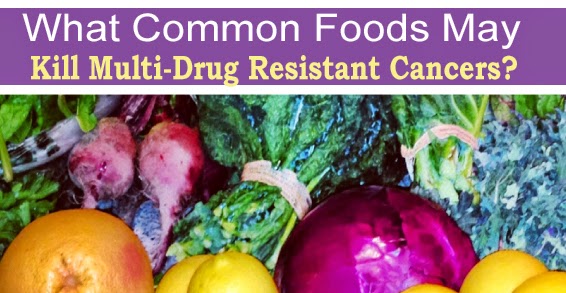
What Common Foods May Kill Multi-Drug Resistant Cancers?

The GreenMedInfo database has assembled more than 60 articles and studies regarding what food substances can help kill cancers, including those that are resistant to treatment with drugs.


Curcumin (the primary polyphenol within turmeric) was by far the #1 food, with 27 studies attesting to its efficacy. Paprika came in at #2 with 6 studies. Other food substances that were shown to have an effect include:
  • Carotenoids
  • Lycopene
  • Sulforaphane
  • Flavonoids
  • Zeaxanthin
Cancer is, by and large, a man-made disease, the result of veering too far away from the healthy lifestyles of our ancient ancestors. Avoiding health-sustaining diets and activities, while embracing a highly unnatural lifestyle and continually dousing your insides and outsides with excess chemicals is what causes many cancers to develop, which is why what you eat is so important to avoiding this top killer.
Just as it's widely known that certain foods -- such as fructose and processed meats -- contribute to cancer, other foods can help prevent it and still others may actually kill cancerous cells, including those that are resistant to drug treatment.

The Problem with Multi-Drug Resistant Cancer

You've probably heard about the problems with drug-resistant bacteria like methicillin-resistant Staphylococcus aureus (MRSA). MRSA is much more dangerous than ordinary Staphylococcus aureus because it has become resistant to the broad-spectrum antibiotics commonly used to treat it, such as methicillin, oxacillin, penicillin and amoxicillin.
Just as bacteria can become resistant to antibiotics, cancer can become resistant to the drugs used to treat it, namely chemotherapy drugs. As stated in the journal Nature Biotechnology:
"Multidrug resistance, the principal mechanism by which many cancers develop resistance to chemotherapy drugs, is a major factor in the failure of many forms of chemotherapy. It affects patients with a variety of blood cancers and solid tumors, including breast, ovarian, lung, and lower gastrointestinal tract cancers.
Tumors usually consist of mixed populations of malignant cells, some of which are drug-sensitive while others are drug-resistant. Chemotherapy kills drug-sensitive cells, but leaves behind a higher proportion of drug-resistant cells. As the tumor begins to grow again, chemotherapy may fail because the remaining tumor cells are now resistant."
Using chemotherapy to target all cancers is somewhat of a shot in the dark, and is rarely the best option for cancer treatment anyway, as it usually typically doesn't cure cancer or extend life -- and it rarely improves quality of life. But adding to its downfalls is the fact that many cancers are now developing resistance to it, which makes its usefulness even more questionable.
What chemo does do, however, is expose your body to toxins that kill all cells that multiply and divide rapidly. This includes not only cancer cells, but also other rapidly multiplying and dividing cells, such as bone marrow, reproductive system cells and hair follicles.
These are powerful drugs that present an assault on your system -- one that your body must then overcome along with the cancer. An alternative form of treatment (or at the very least a complementary one) that is showing great promise is the potential to use food as your "drug" to naturally ward off and even treat diseases like cancer.

Can Food be Your Medicine?

GreenMedInfo has compiled research on 66 natural substances in food that have shown promise in treating multi-drug resistant cancer. These foods may not work for ALL cancers, so you have to be careful and also work with a knowledgeable health care practitioner who is experienced in treating cancer. Unfortunately, many are still in denial about the power each individual wields over their own health, and that preventing disease and even treating disease can be as simple as modifying your diet and lifestyle -- essentially, altering the environment of your body, to provide the best, most health-promoting growth medium possible for all your cells.
Part of the explanation for why food can have such a powerful influence on serious diseases such as cancer is due to its influence on a biological process called angiogenesis -- the process your body uses to build blood vessels. Cancerous cells, like all other cells in your body, cannot thrive without the oxygen and nutrients supplied by your capillaries.
Excessive angiogenesis (too many blood vessels) promote diseases such as cancer.
Most of us actually carry around microscopic cancer cell clusters in our bodies all the time. The reason why we all don't develop cancer is because as long as your body has the ability to balance angiogenesis properly, it will prevent blood vessels from forming to feed these microscopic tumors. Trouble will only arise if, and when, the cancer cells manage to get their own blood supply, at which point they can transform from harmless to deadly.
As our ancestors intuitively understood, nature has laced a large number of foods and herbs with naturally occurring inhibitors of angiogenesis, rendering them natural "anti-cancer medicines." Simply by consuming these anti-angiogenetic foods you can naturally boost your body's defense system and prevent blood vessels from forming and feeding the microscopic tumors that exist in your body at any given time.
Food can also be used therapeutically to target and treat specific cancers, such as the work of Dr. Nick Gonzalez, who uses three protocols -- diet, supplements and enzymes, and detoxification -- to treat cancer.

Curcumin: #1 Cancer Fighter

A number of different foods have shown anti-cancer effects, but many researchers consider the curcumin in turmeric to have the greatest potential in combating cancer -- and this is also the food that has the most supporting evidence on GreenMedInfo.
Curcumin currently has the most evidence-based literature supporting its use against cancer than any other nutrient. Interestingly this also includes the metabolite of curcumin and its derivatives, which are also anti-cancerous. Best of all, curcumin appears to be safe in the treatment of nearly all cancers, including multi-drug resistant cancers.
Much of curcumin's power seems to lie in its ability to modulate genetic activity and expression -- both by destroying cancer cells, and by promoting healthy cell function. It also promotes anti-angiogenesis, as discussed above. Researchers have also found that curcumin can affect more than 100 different pathways once it gets into the cell. More specifically, curcumin has been found to:

For instance, a study in Biochemical Pharmacology found that
"Curcumin I is the most effective MDR [multi-drug resistance] modulator among curcuminoids, and may be used in combination with conventional chemotherapeutic drugs to reverse MDR in cancer cells."
Separate research highlighting curcumin's effectiveness against multi-drug resistant cancer include:

CAUTION

An important point and one you need to understand. Just because an herb is natural does not mean it will help. Some herbs and natural approaches can actually worsen cancer so you have to be very careful. Fortunately, curcumin is one of the only ones that appears to be universally useful. But if you want to use another herb you are strongly cautioned to seek an expert in these therapies. I have interviewed Donnie Yance, Dr. LaValley, Dr. Gonzalez, and Dr. Burzynski. These are examples of experts who could help walk you through the process of understanding which natural agents would be best for you.

What Other Foods Show Cancer-Fighting Potential?

Also high on GreenMedInfo's list of natural substances that may help fight mutli-drug resistant cancer were:
Carotenoids
Carotenoids are the compounds in your foods that give them that vibrant cornucopia of color, from green vegetables to red beets, to the spectacular yellows and oranges of your bell peppers.
There are more than 700 naturally occurring carotenoids, but most people are familiar with only a few. Many carotenoids are easily obtainable through a healthy diet rich in fresh organic produce, however one exception is astaxanthin, a little-known carotenoid believed to be the most potent antioxidant nature has to offer. Astaxanthin is difficult to get from dietary sources alone, but is worth learning more about due to its beneficial effects on human health.
Lycopene, another antioxidant carotenoid, gives tomatoes their red color, and works by fighting damaging free radicals in your body. It has also shown cancer-fighting potential, particularly for prostate cancer.
Sulforaphane and Indole-3-Carbinol
A compound found in broccoli and other cruciferous veggies, sulforaphane selectively targets cancer stem cells, and by doing so, it effectively prevents the cancer from spreading and/or recurring. This is something current chemotherapies cannot do, but food can!
Another component of broccoli and cruciferous veggies, indole-3-carbinol, halts the cell cycle in breast cancer cells without actually killing the cells. The cell cycle is a rigidly prescribed series of steps a cell must go through before it can divide in two, involving the duplication of the cell's contents and a final split.
If you can alter specific components of the cell cycle, you can stop the growth of cancer cells without killing normal cells. Indole-3-carbinol interferes with the cell cycle in a way that turns off a gene for an enzyme important in the cell's growth cycle.
Flavonoids
Flavonoids are natural chemicals found in plants, fruits and vegetables. They're actually the largest group of several thousand compounds belonging to the antioxidant-rich polyphenol family.
Flavonoids are further broken down into subclasses that you have likely heard of such as anthocyanins, flavonols, flavones, flavanones and flavanols. These terms, along with flavonoid and polyphenols (also called phytochemicals), are often used interchangeably in the literature, but they're broken into these different groups because they have varying chemical structures.
While all flavonoids are antioxidants, some have stronger antioxidant properties than others, depending on their chemical structure. Flavonoids are present in most all vegetables, including onions, broccoli and greens, as well as fruits such as apples, grapes and berries.

The Future of Cancer Treatment: Targeting Your Individual Genome

If you're looking for a diet that can help you lower your chances of developing cancer, follow the steps in my nutrition plan and work your way up to the advanced level. This is an excellent strategy for cancer prevention as well as reaching high levels of health in all areas.
However, for cancer treatment you may be better served by following a diet that is customized for your genome. This is the future of cancer treatment, and you can learn more about it in my recent interview with Dr. Stanislaw Burzynski and his son, Dr. Gregory Burzynski. They employ novel gene-target therapies in the treatment of cancer, which includes studying the patient's entire cancerous genome, analyzing some 24,000 genes in each cancer patient, in order to identify the abnormal genes.
Once identified, medications and complementary strategies such as diet and supplements are selected to treat these corrupted genes.
This can be important, as some supplements and foods -- although generally accepted as beneficial -- can make some cancers worse. But with gene-targeted therapy, genetic analysis is used to customize every aspect of the treatment. This customization also includes your diet, because as Dr. Burzynski says, "Diet is after all a combination of chemicals," meaning nutrients. For more information, please listen to the interview in its entirety, and also see my list of top strategies for cancer prevention to round out your knowledge.

Source: www.greenmedinfo.com

Thursday, November 20, 2014

8 Reasons You're Tired All The Time

One of the top health problems I talk to people about is chronic fatigue or extremely low energy levels. From generalized fatigue to the more serious chronic fatigue syndrome (CFS), this epidemic of extreme tiredness is hitting a record amount of people. Chronic fatigue syndrome by itself affects more people than multiple sclerosis, lupus, and many forms of cancer. 
These statistics don't even take into account all the people struggling with daily low-grade fatigue. Fatigue also can be very dangerous, with around 20% of fatal car accidents involving driver fatigue. Many people will brush off their low energy levels as just part of getting older, which makes it difficult to distinguish between what is common and what is "normal." 

While fatigue is common, it's certainly not biologically normal. This false assumption makes many people settle for feeling lousy and tired most of their lives. Fatigue can affect every aspect of your life: your family, friends, job and activities will suffer. In this article I want to share with you the eight main culprits of chronic fatigue that I see in my practice and tips on how to overcome it:

1. Macronutrient Imbalances
Macronutrients are fats, proteins and carbohydrates. Your body runs on these three macronutrients, and we need proper ratios of each one to suit your diet and lifestyle.
One of the most common macronutrient deficiencies in the West is low fat consumption. Since the latter part of the 20th century, fat has been cut out of the standard American diet and that caloric deficit has been replaced with refined carbohydrates, specifically grains. When you're in sugar-burning mode, you get the inevitable sugar crash, leaving you with mood swings, irritability, weight loss resistance, and fatigue.
When I refer to fat, I'm not talking about margarine or some other kind of bad fat. Coconut oil, avocados, eggs, and, if you eat meat, grass-fed beef and wild-caught salmon, are all great forms of whole food fat for your energy! From a biochemical standpoint, your body's best and slowest-burning form of energy is fat. Furthermore, your brain is made of 60% fat and 25% cholesterol, so nourishing that precious organ is the cornerstone to overcoming fatigue. Although more rare, inadequate amounts of protein and carbohydrates will also contribute to low energy levels. 

2. Micronutrient Deficiencies
Our bodies are alive and functioning because of biochemistry. When we don't nourish them with the specific nutritional requirements that make health possible, it can start with you feeling tired and lethargic. Some nutrient deficiencies that I see on a regular basis in patients that are fatigued are iron, vitamin D and vitamin B deficiencies. Each one of these nutrients can be checked by a simple blood lab and should be considered when you are struggling with low energy. 

3. Poor Gut Health
Known as the "second brain," your gastrointestinal system is essential and often overlooked factor in your energy levels. You don't necessarily have to have noticeable gut symptoms to have an underlying chronic gut issue. Your gut-brain axis is a complex web of communication between these two vitally important systems when it comes to your energy levels.
If your body is bogged down with conditions like permeability of the gut lining (leaky gut syndrome), small intestinal bacterial overgrowth (SIBO) or just generalized imbalances in your gut bacteria (dysbiosis), it can drain your energy significantly. When these conditions are resolved, energy levels and vitality are restored back to normal. Interestingly enough, chronic gut dysfunctions are also linked to fatigue's stubborn partner, weight loss resistance

4. Inflammatory Foods
The foods we eat are dynamically instructing our biochemistry and our energy levels. Our meals are either helping or hurting your energy levels; there's no neutral food when it comes to your body's function. It's no secret that refined foods, excess carbohydrates and empty calories will negatively affect your health, and that will typically begin by zapping your energy levels. The infamous "sugar coma" can only be stopped if you stop eating what is fueling your low energy!
Underlying intolerance to foods like gluten, gluten-free grains and dairy can also cause fatigue. If you're suffering from fatigue, start by eliminating the inflammatory foods in your diet and try kick starting it off with my real food challenge here. 

5. Toxins
The word "toxin" has become so cliched and ubiquitous in the health community that the common person reading this article will probably roll their eyes right about now. The reality, though, is that our world today IS alot more inundated with substances that are toxic to our health. We are not genetically adapted to this onslaught of toxicity, and our energy levels are typically the first "check engine light" that something is not right. With a comprehensive health history and the use of proper diagnostic testing we can rule out common toxicities like heavy metals or plastics; if you don't want to wait for tests, there are ways to reduce toxins in your life now.
6. Hormonal Dysfunctions
Our body's different systems communicate through an intelligent web of hormonal pathways. A properly functioning endocrine (hormonal) system is essential for your energy levels. Two relatively common hormonal pathway dysfunctions that I find in people who are struggling with low energy levels are hypothalamic-pituitary-adrenal dysfunction (adrenal fatigue) and low thyroid function. There are many different reasons for low thyroid function.
7. Medications
Every pharmaceutical drug has side effects and one of the most common side effects that I see is fatigue. Common medications given for blood pressure, cholesterol, pain, diabetes, acid reflux and depression can all cause chronic fatigue. It amazes me how little people know about the side effects of the drugs they take every day. If you're on any medications, I would recommend finding out if fatigue is one of the side effects.
If your medication is causing or adding to your fatigue, discuss with your doctor about what other options you have. My gain goal as a functional medicine practitioner is to get people healthy so they don't have to be on the common medications that cause fatigue and other side effects. 

8. Poor Sleep
Sure, this sounds like an obvious one! Yes, it's true, if you're just staying up too late at night because you're watching your favorite reality show and drinking tons of caffeinated beverages, stop it. Go to bed earlier. But many people don't know they aren't sleeping well, and even if they do, they can't fall asleep or stay asleep even if they tried.
Sleep disorders like insomnia and sleep apnea affects millions of people around the world with very little options in the mainstream model of care. Dealing with the underlying issues that are causing the sleep disorder is essential to restore your energy levels. For mild insomnia, herbs like valerian and chamomile can be effective. For sleep apnea, CPAP machines work for some people, and allow them to get the rest they need to regain their energy.
While breathing machines and herbal medicines may be effective in the short term, ultimately the question should be asked, "Why do I have this problem in the first place?" For my patients, when we deal with the individual root mechanisms of their poor sleep and low energy, they're able to reverse sleep disorders and sleep apnea sustainably. 

Customized Health Solutions
Obviously this isn't a complete list of everything that could be causing low energy. In functional medicine, it's my goal to investigate the multifaceted nature of conditions like chronic fatigue. If you notice, the eight causes of low energy are connected, just like your body. For example, toxins can cause hormonal imbalances, which can cause poor sleep. Eating inflammatory foods can damage your gut health which will can cause a micronutrient deficiency. 

There are many different pathways and possibilities for fatigue, or any chronic health concern, for that matter. These different dysfunctions needs to clinically "untangled" and dealt with on an individual basis. Taking into account the individual instead of a generalized "one-size-fits-all" approach is the only way I have seen the consistent, reliable and sustainable resolution of health problems like fatigue. 

Source: www.mindbodygreen.com

Friday, November 14, 2014

8 Reasons to Eat Fermented Foods

It’s very recent that fermented foods have begun to disappear from our plate. Modern pickles and sauerkraut are made with vinegar instead of the traditional method of lacto-fermentation using salt. Bread and pasta are made with commercial yeast instead of being naturally leavened with wild yeast (sourdough). Wine, beer and cheeses are being pasteurized - killing off all the good bacteria we so desperately need to maintain health.
But there are many advantages to going back to the traditional ways of our ancestors, and eating more fermented foods.


Humans all over the world have been fermenting food since ancient times. The earliest evidence of winemaking dates back to eight thousand years ago in the Caucasus area of Georgia. Seven-thousand-year-old jars which once contained wine were excavated in the Zagros Mountains in Iran. There is evidence that people were making fermenting beverages in Babylon around 5000 BC, ancient Egypt circa 3150 BC, pre-Hispanic Mexico circa 2000 BC, and Sudan circa 1500 BC. There is also evidence of leavened bread in ancient Egypt dating back to 1500 BC and of milk fermentation in Babylon circa 3000 BC.
“In the normal scheme of things, we’d never have to think twice about replenishing the bacteria that allow us to digest food. But since we’re living with antibiotic drugs and chlorinated water and antibacterial soap and all these factors in our contemporary lives that I’d group together as a ‘war on bacteria,’ if we fail to replenish [good bacteria], we won’t effectively get nutrients out of the food we’re eating.” – Sandor Katz
8 Reasons to Eat Fermented Foods

1. Fermented foods improve digestion.

Fermenting our foods before we eat them is like partially digesting them before we consume them. According to Joanne Slavin, a professor in the Department of Food Science and Nutrition at the University of Minnesota, “…sometimes people who cannot tolerate milk can eat yogurt. That’s because the lactose (which is usually the part people can’t tolerate) in milk is broken down as the milk is fermented and turns into yogurt.”

2. Fermented foods restore the proper balance of bacteria in the gut.

Do you suffer from lactose intolerance? Gluten intolerance? Constipation? Irritable bowel syndrome? Yeast infections? Allergies? Asthma? All of these conditions have been linked to a lack of good bacteria in the gut.

3. Raw, fermented foods are rich in enzymes.

Your body needs [enzymes] to adequately digest, absorb, and utilize the nutrients in your food. As you age, your body’s supply of enzymes goes down.

4. Fermenting food actually increases the vitamin content.

Fermented dairy products show an increased level of folic acid which is critical to producing healthy babies as well as pyroxidine, B vitamins, riboflavin and biotin depending on the strains of bacteria present. [1. Vitamin Profiles of Kefirs Made from Milk of Different Species. International Journal of Food Science & Technology. 1991. Kneifel et al]“

5. Eating fermented food helps us to absorb the nutrients we’re consuming.

You can ingest huge amounts of nutrients, but unless you actually absorb them, they’re useless to you. When you improve digestion, you improve absorption.

6. Fermenting food helps to preserve it for longer periods of time.

Milk will go bad in the fridge but kefir and yogurt last a lot longer. Sauerkraut, pickles and salsa will keep for months. And if you’ve got a huge batch of produce in your garden that you don’t know how to use up — ferment it!

7. Fermenting food is inexpensive.

There’s nothing fancy required for this hobby. And many of the foods required to make these recipes are very cheap. You can use inexpensive cabbage to make sauerkraut, or get yourself a kombucha scoby and with just pennies’ worth of water, sugar and tea, you’ve got a health elixir slash soda pop.

8. Fermenting food increases the flavor.

There’s a reason humans enjoy drinking wine and eating stinky cheese. There’s a reason we like sauerkraut on our hot dogs and salsa on our tortilla chips. It tastes good!

How to Incorporate More Fermented Foods Into Your Diet

Look for sourdough bread instead of bread made with commercial yeast.

Drink fermented beverages.

Kefir and kombucha are available at many health food stores. They’re also very easy to make at home.

Serve food with pickles, sauerkraut, salsa, ketchup, sour cream, kim chi, mayonnaise and other naturally fermented condiments.

You can buy naturally fermented condiments at health food stores — or make your own.

Source: www.cheeseslave.com
Glutathione: The Mother of All Antioxidants

It's the most important molecule you need to stay healthy and prevent disease - yet you've probably never heard of it. It's the secret to prevent aging, cancer, heart disease, dementia and more, and necessary to treat everything from autism to Alzheimer's disease. There are more than 89,000 medical articles about it -- but your doctor doesn't know how address the epidemic deficiency of this critical life-giving molecule.

The good news is that your body produces its own glutathione. The bad news is that toxins from poor diet, pollution, toxins, medications, stress, trauma, aging, infections and radiation all deplete your glutathione.
This leaves you susceptible to unrestrained cell disintegration from oxidative stress, free radicals, infections and cancer. And your liver gets overloaded and damaged, making it unable to do its job of detoxification.


But as I said, there is also good news. You can do many things to increase this natural and critical molecule in your body and here are four ways to start today:
4 Tips to Boost your Glutathione Levels
  1. Consume sulfur-rich foods. The main ones in the diet are garlic, onions and the cruciferous vegetables (broccoli, kale, collards, cabbage, cauliflower, watercress, etc).
  2. Try bioactive whey protein. This is great source of cysteine and the amino acid building blocks for glutathione synthesis. As you know, I am not a big fan of dairy. But this is an exception — with a few warnings. The whey protein MUST be bioactive and made from non-denatured proteins (“denaturing” refers to the breakdown of the normal protein structure). Choose non-pasteurized and non-industrially produced milk that contains no pesticides, hormones, or antibiotics. Immunocal is a prescription bioactive non-denatured whey protein that is even listed in the Physician’s Desk Reference.
  3. Exercise boosts your glutathione levels and thereby helps boost your immune system, improve detoxification and enhance your body’s own antioxidant defenses. Start slow and build up to 30 minutes a day of vigorous aerobic exercise like walking or jogging, or play various sports. Strength training for 20 minutes 3 times a week is also helpful.
  4. Take Glutathione Supporting Supplements. One would think it would be easy just to take glutathione as a pill, but the body digests protein — so you wouldn’t get the benefits if you did it this way. However, the production and recycling of glutathione in the body requires many different nutrients and you CAN take these. Here are the main supplements that need to be taken consistently to boost glutathione. Besides taking a multivitamin and fish oil, supporting my glutathione levels with these supplements is the most important thing I do every day for my personal health.
 Source: www.drhyman.com